

Blog

How To
Get More Leads As A Builder
Introduction: The Paradigm Shift in Construction Lead Generation Contents
hide 1 Introduction: The Paradigm Shift in Construction
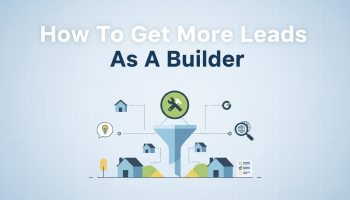
Introduction: The Paradigm Shift in Construction Lead Generation
In the evolving landscape of the construction industry, the entity of "lead generation" has transcended traditional word-of-mouth referrals. For a modern builder, establishing Topical Authority in the digital space is no longer optional; it is a critical infrastructure requirement for sustainable growth. The concept of how to get more leads as a builder involves a sophisticated interplay between high-performance web architecture, Semantic SEO, and trust-based content marketing. It is about reducing the semantic distance between a homeowner’s intent—such as "luxury home builder near me" or "commercial renovation contractor"—and your digital presence.
Historically, builders relied on physical reputation and local networks. Today, the initial handshake happens on a search engine results page (SERP). To capture qualified leads, construction firms must construct a digital footprint as robust as their physical structures. This guide dissects the mechanics of digital authority, providing a blueprint for builders to dominate their local markets through data-driven strategies and user-centric experiences.
The Digital Foundation: Constructing High-Conversion Web Architecture
Before implementing aggressive traffic acquisition strategies, a builder must ensure their digital foundation—the company website—is engineered for conversion. A website acts as the central hub of your Topical Map, where all marketing channels converge.
Speed, Mobile Responsiveness, and User Experience (UX)
Google’s Core Web Vitals act as the building code for the internet. A site that loads slowly on mobile devices results in a high bounce rate, signaling to search algorithms that the user experience is poor. For builders, whose prospective clients often browse portfolios on mobile devices while discussing projects, responsive design is non-negotiable. High-resolution imagery of completed projects must be optimized to ensure visual appeal does not compromise page speed.
Trust Signals and Social Proof
In the construction sector, trust is the primary currency. Your digital architecture must embed trust signals strategically throughout the user journey. This includes:
- Accreditations and Licenses: clearly displaying industry certifications.
- Dynamic Portfolios: Case studies that detail the problem, solution, and outcome of specific builds.
- Client Testimonials: Verified reviews integrated directly into service pages.
For general contractors looking to understand the investment required for such a platform, analyzing the cost to make a website for a general contractor provides insight into the necessary budget for a high-performance digital asset.
Semantic SEO: Dominating Local Search Intent
Semantic SEO moves beyond simple keyword matching. It involves covering a topic comprehensively to signal to search engines that your entity is an expert. For a builder, this means creating a web of content that answers every conceivable question a prospect might have.
Local SEO and Google Business Profile Optimization
Local SEO is the cornerstone of lead generation for location-bound entities like construction companies. Optimizing your Google Business Profile (GBP) ensures visibility in the "Local Pack"—the map-based results that appear at the top of search pages. This requires:
- NAP Consistency: Ensuring Name, Address, and Phone number are identical across all directories.
- Geo-Tagging Images: Uploading project photos with metadata indicating the location of the build.
- Localized Content: Writing service pages that specifically mention neighborhoods and cities you serve.
To implement a robust strategy, one must understand the nuances of SEO services tailored for the building industry. Specifically, tailored campaigns can drive hyper-local traffic that converts at a higher rate than broad, national traffic.
Building a Topical Map for Construction
To rank for high-value terms, you must prove expertise. This involves creating a cluster of articles related to your core services. For example, a builder shouldn’t just have a "Services" page; they should have supporting content addressing specific homeowner concerns, such as permitting processes, material costs, and timeline expectations. This establishes Information Gain, providing unique value that differentiates you from competitors.
For specialized trades, the approach varies. A roofing specialist needs a different semantic structure than a general contractor. Understanding how to get more leads for my roofing business involves targeting keywords related to storm damage, insurance claims, and shingle types, whereas a general contractor focuses on broader renovation terms.
Content Marketing: Educating vs. Selling
Modern consumers research extensively before contacting a builder. By producing educational content, you position your brand as a helpful advisor rather than just a service provider. This strategy nurtures leads who are in the "consideration" phase of the buyer’s journey.
Creating Detailed Project Case Studies
Instead of a simple photo gallery, create detailed case studies. Describe the challenges faced during the build, the engineering solutions applied, and the client’s satisfaction. This adds depth and context, allowing search engines to understand the complexity of your work. It also answers the implicit query: "Can this builder handle my complex project?"
Educational Guides and Cost Calculators
Price transparency is a significant friction point in construction. While you cannot give exact quotes online, offering guides on "factors affecting construction costs" or "material selection guides" captures traffic early in the funnel. Integrating these resources demonstrates transparency and authority.
For broader strategies on capturing market share, reviewing our comprehensive guide on how to get more leads for my construction company is essential for understanding the multi-channel approach required today.
Leveraging Paid Digital Channels (PPC & Social Ads)
While organic growth builds long-term authority, paid advertising provides immediate visibility. Pay-Per-Click (PPC) campaigns allow builders to bid on high-intent keywords like "emergency structural repair" or "custom home builders [city name]."
Targeted Social Media Campaigns
Visual platforms like Instagram and Facebook are underutilized by many builders for lead generation. However, construction is inherently visual. Targeted ads showcasing before-and-after transformations can target demographics based on location, age, and interests (e.g., "home improvement" or "real estate investing").
Combining paid strategies with organic digital marketing creates a flywheel effect: paid ads drive initial traffic and data, which informs the organic content strategy, leading to sustainable long-term growth.
Specialized Strategies for Different Builder Types
The entity "builder" encompasses various specializations, each requiring distinct lead generation tactics. The semantic distance between a "handyman" and a "commercial developer" necessitates different content strategies.
General Contractors vs. Subcontractors
General Contractors (GCs) must focus on trust, project management capabilities, and whole-home solutions. Their content should reflect large-scale coordination and design-build capabilities. In contrast, subcontractors or specific trade contractors need to focus on technical proficiency in their specific niche. For those operating as independent entities, understanding how to get more leads as a contractor provides specific insights into scaling a trade-focused business.
The Role of Lead Management Software
Generating leads is futile without effective management. Utilizing Customer Relationship Management (CRM) tools allows builders to track inquiries, automate follow-ups, and nurture leads that aren’t ready to buy immediately. Speed to lead is crucial; studies show that responding to a lead within the first hour drastically increases conversion rates. Advanced builders are even exploring custom apps to manage client communication and project updates, further enhancing the customer experience.
Partnering with Digital Experts: XSOne Consultants
Implementing a comprehensive Semantic SEO and lead generation strategy requires technical expertise that goes beyond typical construction knowledge. Partnering with a specialized agency ensures that your digital infrastructure is built as soundly as your physical projects.
XSOne Consultants stands as a premier partner for construction entities, offering tailored solutions ranging from high-speed web development to granular SEO campaigns. Whether you need to understand SEO services for construction companies or require a full digital transformation, leveraging expert consultancy bridges the gap between technical execution and business growth.
Furthermore, for general contractors aiming to scale operations, our specific insights on how to get more leads as a general contractor offer actionable blueprints for dominating the competitive GC market.
Conclusion: Constructing a Legacy of Leads
Mastering how to get more leads as a builder is not about a single trick or platform. It is about building a cohesive digital ecosystem where every element—from your website’s code structure to your local citation profile—works in unison to establish authority. By focusing on Semantic SEO, answering user intent with high-value content, and leveraging targeted digital marketing, builders can secure a consistent pipeline of high-quality projects. Just as a physical structure requires a solid foundation, your business requires a solid digital strategy to weather market fluctuations and stand the test of time.
Frequently Asked Questions (FAQs)
1. Why is local SEO important for builders?
Local SEO is vital because construction is a location-dependent service. Most homeowners search for builders within a specific radius. Optimizing for local search ensures your business appears in the "Map Pack" when users query terms like "builders near me," directly connecting you with high-intent local prospects.
2. How long does it take to see results from SEO for construction websites?
SEO is a long-term investment. Typically, significant movement in rankings and lead volume can be seen within 4 to 6 months. This timeline allows for technical optimizations, content indexing, and the accumulation of domain authority through backlinks and user engagement signals.
3. Should builders use paid ads (PPC) or focus on organic SEO?
Ideally, builders should use both. PPC offers immediate lead flow and market data, which is useful for new businesses or filling gaps in the schedule. Organic SEO builds long-term asset value, reducing the cost-per-lead over time and establishing permanent brand authority.
4. How can content marketing generate leads for construction companies?
Content marketing generates leads by building trust. Educational articles, project cost breakdowns, and “how-to” guides demonstrate your expertise. When a prospect finds helpful answers on your site, they are more likely to trust you with their project, moving them from a passive reader to an active lead.
5. What is the difference between a lead and a qualified lead in construction?
A lead is anyone who contacts your business. A qualified lead is a prospect who has the budget, timeline, and authority to proceed with a project that matches your service offerings. Digital marketing strategies aim to filter and attract qualified leads rather than just high volumes of irrelevant inquiries.

Editor at XS One Consultants, sharing insights and strategies to help businesses grow and succeed.