
Blog

How Long
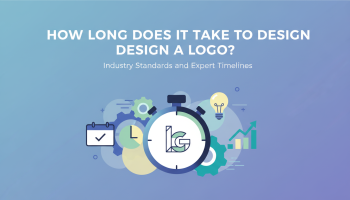
Does It Take to Design a Logo? Industry Standards and Expert Timelines
Introduction Contents hide 1 Introduction 2 The Standard Logo
Design Timeline: A Phase-by-Phase Breakdown 2.1 Phase 1:
Introduction
In the fast-paced world of digital business, a logo is far more than a simple graphic; it is the visual cornerstone of your brand identity. Whether you are launching a new startup, rebranding an established corporation, or releasing a new product line, the question of timing is inevitable. How long does it take to design a logo? This is one of the most frequently asked questions in the creative industry, and the answer is rarely a simple number.
While a quick online generator might promise a result in minutes, a professional, trademark-worthy brand mark typically requires a strategic timeline ranging from two to six weeks. This duration can fluctuate based on the complexity of the brief, the number of stakeholders involved, and the depth of research required to ensure the design resonates with your target audience. Understanding the nuances of the logo design timeline is crucial for project managers and business owners to align their launch schedules with realistic creative milestones.
In this comprehensive guide, we will dissect the industry standards for logo development, break down the process phase-by-phase, and explain why investing time in the design process yields a higher return on investment than rushing to the finish line. We will also explore how partnering with top-tier agencies can streamline this process without compromising on quality.
The Standard Logo Design Timeline: A Phase-by-Phase Breakdown
To understand why professional design takes time, one must look at the workflow. A logo is not merely drawn; it is engineered to communicate values, evoke emotion, and function across various mediums—from mobile app icons to massive billboards. Below is a detailed breakdown of the standard logo design timeline executed by professional agencies.
Phase 1: Briefing and Discovery (Days 1-3)
The foundation of any successful design project is the discovery phase. This is where the designer or agency gathers critical information about your business. It involves deep-diving into your brand’s mission, values, target demographics, and unique selling propositions (USPs). This stage often includes kickoff meetings and detailed questionnaires.
Skipping this phase to save time is a critical error. Without a clear roadmap, the subsequent design work is essentially guesswork. During this time, you might also discuss how the logo fits into your broader design strategy, ensuring alignment with future marketing materials.
Phase 2: Research and Competitor Analysis (Days 4-7)
Once the brief is understood, the design team shifts into research mode. This involves analyzing your industry landscape. Who are your competitors? What visual tropes are common in your sector? How can your brand stand out while still feeling appropriate for the market?
Designers create mood boards during this week, curating color palettes, typography styles, and imagery that align with the strategic goals. This research ensures that the final logo isn’t just aesthetically pleasing but strategically viable. For businesses looking to integrate their branding into digital platforms, understanding UI/UX design principles early on is beneficial, as the logo must function well in user interfaces.
Phase 3: Ideation and Sketching (Week 2)
This is the creative explosion phase. Designers move away from the computer and often start with pencil and paper. Sketching allows for rapid iteration of ideas without the constraints of software. A designer might sketch hundreds of rough concepts to explore different directions—abstract marks, letterforms, mascots, or emblems.
This stage is time-intensive because it requires creative problem-solving. It is not about finding the first idea, but the right idea. By the end of this week, the designer will select a handful of the strongest concepts to digitize.
Phase 4: Digital Drafting and Conceptualization (Week 3)
Selected sketches are brought into vector software (like Adobe Illustrator) to be digitized. This is where precision comes into play. Designers meticulously craft curves, adjust ratios, and experiment with typography. They test how the logo looks in black and white versus color, and how it scales down to the size of a favicon or up to the size of a storefront sign.
If your project involves broader visual assets, the team might also begin considering how the logo interacts with other elements, similar to the meticulous planning required in comprehensive graphic design projects.
Phase 5: Presentation and Feedback Loop (Weeks 3-5)
This is the most variable part of the logo design timeline. The agency presents the refined concepts to the client. This presentation usually explains the rationale behind each design choice, rooting the visuals in the initial strategy.
Client feedback is essential here. The timeline depends heavily on how quickly stakeholders can provide consolidated, constructive feedback. Standard contracts often include 2-3 rounds of revisions. If a client requests a complete pivot or has vague feedback, this phase can extend significantly. Efficient communication is key to keeping the project on track.
Phase 6: Refinement and Final Polish (Week 5-6)
Once a final concept is chosen, it undergoes rigorous refinement. The designer perfects the color codes (CMYK for print, RGB for screens, Pantone for color matching), tweaks the kerning (spacing between letters), and ensures every node and anchor point in the vector file is clean.
Phase 7: Delivery of Final Assets (End of Week 6)
The project concludes with the handover of the master files. You aren’t just receiving a JPEG; you receive a comprehensive logo package containing various file formats (AI, EPS, SVG, PNG, PDF) and a brand style guide. This guide dictates how to use the logo correctly, ensuring consistency across all touchpoints.
Factors That Influence the Logo Design Timeline
While 4-6 weeks is a standard benchmark, several variables can accelerate or decelerate the process.
1. Complexity of the Brief
A simple wordmark for a personal blog is faster to execute than an illustrative mascot or an abstract emblem for a multinational corporation that requires trademark vetting. The more complex the requirements, the longer the conceptualization phase.
2. The Decision-Making Hierarchy
The number of decision-makers is inversely proportional to the speed of the project. A solo founder can approve a design in an hour. A board of directors may take weeks to reach a consensus. Streamlining your internal approval process is the best way to shorten the logo design timeline.
3. The Expertise of the Partner
Experienced agencies have refined workflows. They know the right questions to ask to avoid

Editor at XS One Consultants, sharing insights and strategies to help businesses grow and succeed.