

Blog

Top 10
SEO Services for Ecommerce Businesses in 2026
The ecommerce industry in 2026 is more competitive than
ever, with businesses vying for visibility in search
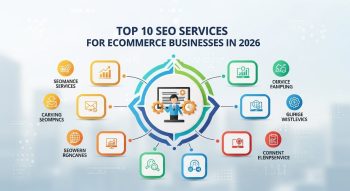
The ecommerce industry in 2026 is more competitive than ever, with businesses vying for visibility in search engines, marketplaces, and social platforms. To succeed, ecommerce brands must implement ecommerce SEO, product page optimisation, technical website SEO, content marketing for online stores, local SEO for multichannel stores, voice search optimisation, mobile-friendly ecommerce sites, schema markup for products, link building for ecommerce, and conversion-focused SEO strategies.
A robust SEO strategy allows e-commerce businesses to improve organic search rankings, drive high-intent traffic, increase sales conversions, and strengthen brand authority. Agencies like xsoneconsultants have helped e-commerce brands leverage these strategies to maximise revenue and achieve measurable growth.
This article explores the top 10 SEO services for e-commerce businesses in 2026 and explains how each service can boost traffic, conversions, and long-term online success.
1. Technical SEO and Website Audits
Technical SEO forms the foundation of a high-performing ecommerce site. Without proper technical optimisation, even the best products may remain invisible in search engines.
Key Technical SEO Elements for Ecommerce:
-
Site Speed Optimisation: Compress images, enable caching, and reduce server response times.
-
Mobile-First Design: Ensure seamless navigation on smartphones and tablets.
-
Secure HTTPS Protocol: Protect customer data and improve trust.
-
XML Sitemaps & Robots.txt: Help Google discover and index product pages.
-
Fix Broken Links & Redirects: Maintain link equity and user experience.
-
Structured Data & Product Schema: Implement
Product,Offer, andReviewschema to improve rich snippets in SERPs.
Technical SEO ensures that your ecommerce store is accessible, crawlable, and ready for other SEO strategies to work effectively.
2. Keyword Research and Product Optimization
Keyword research is critical for ecommerce success. Businesses must target high-intent, transactional search terms that convert browsers into buyers.
Keyword Research Best Practices:
-
Long-Tail Product Keywords: Examples include “wireless noise-canceling headphones online” or “organic skincare cream in Lahore.”
-
Search Intent Segmentation: Separate informational, navigational, and transactional queries.
-
Competitor Analysis: Identify top-performing keywords in your niche.
-
Voice Search Optimization: Optimize for queries like “best laptop under $1000 near me.”
Effective keyword research helps your e-commerce store capture qualified traffic ready to make purchases.
3. On-Page SEO and Product Page Optimization
Every product page must be optimised to rank for search terms and drive conversions. On-page SEO ensures each page is structured, informative, and persuasive.
Key On-Page SEO Elements:
-
Meta Titles and Descriptions: Include product names, key features, and targeted keywords.
-
Header Tags (H1–H3): Structure content for readability and SEO relevance.
-
High-Quality, Unique Product Descriptions: Avoid duplicate manufacturer descriptions.
-
Image Optimisation: Include alt text, captions, and compressed images.
-
Internal Linking: Connect product pages with relevant categories and blogs.
-
Strong Call to Action: Include buttons like “Add to Cart” or “Buy Now”.
Optimized product pages improve search visibility and encourage purchases.
4. Content Marketing for Ecommerce
Content marketing builds brand authority, educates customers, and drives organic traffic.
Ecommerce Content Marketing Strategies:
-
Category & Product Guides: Detailed buying guides for different product categories.
-
Blogs & Articles: Cover trends, tips, and how-to content related to products.
-
Video Content: Product demos, unboxing, and tutorial videos.
-
Infographics & Comparison Charts: Help customers make informed choices.
-
User-Generated Content: Encourage reviews, testimonials, and social media posts.
High-quality content boosts SEO, enhances credibility, and drives conversions.
5. Local SEO and Multichannel Optimization
For e-commerce businesses with physical stores or pickup points, local SEO is crucial.
Local SEO Best Practices:
-
Claim and optimise the Google Business Profile for each location.
-
Maintain NAP consistency across directories and marketplaces.
-
Encourage customer reviews and respond promptly.
-
Use geo-targeted keywords like “buy electronics in Karachi DHA”.
Local SEO helps your business capture nearby customers while supporting omnichannel growth.
6. Link Building and Off-Page SEO
Backlinks from high-authority websites improve search engine rankings and brand credibility.
Effective Link-Building Tactics:
-
Guest Posting: Contribute articles to industry blogs and news sites.
-
Product Reviews & Collaborations: Partner with influencers or tech reviewers.
-
Digital PR: Share press releases about new product launches, events, or achievements.
-
Content Promotion: Encourage sharing of blogs, videos, and guides.
High-quality backlinks strengthen authority and boost organic rankings for ecommerce sites.
7. Conversion Rate Optimization (CRO)
Driving traffic is only effective if visitors convert into buyers. CRO ensures that ecommerce visitors complete purchases.
CRO Strategies for Ecommerce:
-
Clear CTAs like “Buy Now” or “Add to Cart.”
-
Simplified checkout process to reduce cart abandonment.
-
Highlight trust signals like reviews, guarantees, and secure payments.
-
A/B testing for landing pages, banners, and CTAs.
CRO ensures traffic translates into revenue, maximising the return on SEO investment.
8. Mobile SEO and Voice Search
With the majority of e-commerce searches coming from mobile devices, mobile optimisation is critical. Voice search is also rising, with queries like “best wireless headphones near me”.
Mobile & Voice SEO Practices:
-
Implement responsive design for all devices.
-
Optimize click-to-call buttons for customer support.
-
Use long-tail conversational keywords for voice searches.
-
Include structured data to enhance product snippets in search results.
Mobile and voice SEO help your ecommerce store capture modern shopping behaviors and improve visibility.
9. Analytics and Performance Tracking
Tracking SEO performance is essential for ecommerce businesses to measure ROI and improve strategies.
Key Metrics:
-
Organic traffic growth
-
Keyword ranking improvements
-
Conversion rate and sales from organic traffic
-
Bounce rate and session duration
-
Cart abandonment and checkout analytics
Analytics allows businesses to refine strategies and optimise performance based on data-driven insights.
10. AI-Powered SEO and Automation
AI and automation are transforming ecommerce SEO. AI tools streamline content creation, product optimisation, and analytics reporting.
AI Applications for Ecommerce:
-
Dynamic Product Page Generation: Automatically create pages for new products and variants.
-
Content Optimisation: AI tools generate meta descriptions, headings, and keyword suggestions.
-
Competitor Analysis: Identify high-performing products and keyword gaps.
-
Predictive Analytics: Forecast trends in customer search behaviour and product demand.
Agencies like xsoneconsultants use AI-driven strategies to automate SEO, scale e-commerce efforts, and achieve measurable growth in highly competitive markets.
Why SEO Matters for Ecommerce Businesses in 2026
SEO is critical for ecommerce because it ensures:
-
Visibility in high-intent search queries.
-
Increased website traffic and product sales.
-
Authority and credibility through content and backlinks.
-
Competitive advantage over other online stores.
From local SEO to AI-powered automation, a comprehensive SEO strategy positions ecommerce businesses for long-term success.
Conclusion
In 2026, ecommerce businesses must implement a full-scale SEO strategy to stay competitive. By adopting the top 10 SEO services—technical SEO, keyword research, on-page optimization, content marketing, local SEO, link building, CRO, mobile & voice SEO, analytics, and AI-powered automation—online stores can boost visibility, increase sales, and grow sustainably.
Partnering with expert agencies like xsoneconsultants ensures e-commerce businesses execute these strategies efficiently, generating measurable growth in an increasingly digital marketplace.

He is a SaaS-focused writer and the author of Xsone Consultants, sharing insights on digital transformation, cloud solutions, and the evolving SaaS landscape.