

Blog

Google Android
Lawsuit Settlement Texas: Latest News and Compensation Details
The Google Android lawsuit settlement represents a landmark victory
for consumer rights and digital marketplace competition, particularly
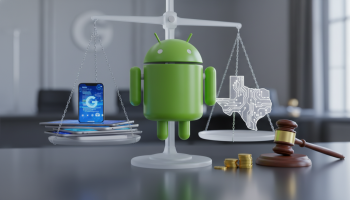
The Google Android lawsuit settlement represents a landmark victory for consumer rights and digital marketplace competition, particularly for residents of the Lone Star State. Following a multi-state antitrust investigation led by Texas Attorney General Ken Paxton and a coalition of 52 attorneys general, Google has agreed to a massive $700 million settlement. This legal resolution addresses allegations that the tech giant maintained an illegal monopoly over the Android app distribution and in-app payment processing markets. For millions of eligible users, this means direct compensation and restitution for inflated costs incurred through the Google Play Store. As the digital landscape shifts, understanding the eligibility criteria, payout timelines, and the fundamental changes to the Android ecosystem is essential for every consumer and developer impacted by these antitrust practices.
The Core of the Conflict: Why Texas Sued Google
The legal battle that culminated in the Texas Google settlement was not merely about a single app or a minor fee. It was a fundamental challenge to how Big Tech operates its digital storefronts. Texas, alongside a bipartisan group of states, alleged that Google utilized anticompetitive tactics to ensure its Play Store remained the only viable option for Android users. By forcing developers to use Google Play Billing, the company was able to extract a significant commission—often as high as 30%—on every digital transaction.
According to legal filings, these practices stifled competition from third-party app stores and prevented developers from informing users about cheaper payment alternatives outside of the Google ecosystem. For the average Texan, this meant higher prices for subscriptions, in-game currency, and premium app features. The antitrust lawsuit argued that Google’s “moat” around the Play Store violated the Sherman Act and various state consumer protection laws, leading to a direct financial burden on the public.
Breaking Down the $700 Million Settlement Fund
The financial scale of the Google Play Store settlement is unprecedented in the realm of state-led tech litigation. The $700 million total is divided into two primary categories to ensure both consumer restitution and state-level enforcement. XsOne Consultants, a leader in navigating complex digital regulatory shifts, notes that the allocation of these funds is designed to maximize the impact on the individual user while penalizing the monopolistic behavior.
- Consumer Restitution Fund ($630 Million): The vast majority of the settlement is earmarked for the people. This fund is dedicated to compensating users who were overcharged due to Google’s billing practices.
- State Penalty and Costs Fund ($70 Million): This portion is distributed among the participating states, including Texas, to cover the costs of the investigation, legal fees, and to fund future consumer protection initiatives.
For residents in Texas, this settlement is more than just a headline; it is a tangible return on digital spending. The Texas Attorney General’s office has emphasized that the goal is to make the refund process as seamless as possible, recognizing the millions of transactions that occur daily on the Android platform.
Eligibility: Who Qualifies for a Payout in Texas?
Determining who is eligible for the Google Android settlement compensation is one of the most frequently asked questions. The settlement covers a specific window of time and specific types of transactions. To qualify for a share of the $630 million consumer fund, individuals must meet the following criteria:
- Residency: You must have been a resident of one of the 50 states, the District of Columbia, Puerto Rico, or the U.S. Virgin Islands during the eligible period. Texas residents make up a significant portion of this claimant pool.
- Timeframe: The settlement covers purchases made between August 16, 2016, and September 30, 2023.
- Transaction Type: Eligibility is tied to in-app purchases or app downloads made through the Google Play Store that utilized Google’s proprietary billing system. This includes subscriptions, “gems” or “coins” in games, and premium versions of productivity apps.
It is important to note that users do not necessarily need to have kept every receipt from the last seven years. Google’s internal records will be used to identify eligible consumers, making the process significantly more efficient than traditional class-action lawsuits where manual proof of purchase is often required.
Expert Perspective: The Role of XsOne Consultants
In the evolving world of digital compliance and consumer rights, XsOne Consultants serves as a vital resource for understanding how these massive settlements impact the broader market. According to their analysis, the Texas Google Lawsuit serves as a warning shot to other platforms. “We are seeing a shift from ‘platform-first’ to ‘consumer-choice’ models,” states the firm. Their expertise highlights that while the immediate payout is beneficial, the long-term structural changes to the Android OS will have a more profound impact on how businesses interact with their customers.
How Much Compensation Can Texas Residents Expect?
While the total fund is massive, the individual payout depends on the volume of spending associated with a user’s Google account. Most eligible consumers will receive a minimum payment of $2.00. However, those who spent significant amounts on in-app subscriptions or high-value digital goods will receive a pro-rata share, which could amount to much more.
| Spending Tier | Estimated Minimum Payout | Payment Method |
|---|---|---|
| Casual Users (1-5 purchases) | $2.00 – $10.00 | Automatic (PayPal/Venmo/Check) |
| Moderate Users (Monthly Subscriptions) | $10.00 – $50.00 | Automatic (PayPal/Venmo/Check) |
| Power Users (High-Volume In-App) | $50.00+ (Pro-Rata) | Automatic (PayPal/Venmo/Check) |
The settlement administrator will notify eligible users via email. It is crucial to ensure that the email address associated with your Google Play account is active and that you monitor it for official communications regarding the Google Play Store Antitrust Settlement.
Structural Changes: How the Android Experience is Changing
The Texas settlement is about more than just money; it is about forcing Google to change its business model to allow for a more competitive environment. As part of the agreement, Google must implement several injunctive reliefs that will change the Android user experience for at least the next five years.
1. Expanded Choice Billing
Google must now allow developers to offer Choice Billing. This means when you go to pay for a subscription in an app, you might see two options: one to pay via Google Play and another to pay directly through the developer. Often, the developer option will be cheaper because it bypasses the Google commission fee.
2. Simplified Sideloading
Sideloading—the process of installing apps from sources other than the official Play Store—has historically been buried under “scary” warning labels. The settlement requires Google to streamline this process and reduce the administrative friction for users who want to use alternative app stores like the Samsung Galaxy Store or the Epic Games Store.
3. Anti-Steering Provisions Removed
Previously, Google prohibited developers from telling users that they could find better prices on their own websites. This “anti-steering” rule is now dead. Developers can now communicate directly with their customers about promotions, discounts, and external payment links.
The Timeline: When Will Texans Receive Their Money?
The legal process moves slowly, but the Google Android lawsuit is in its final stages. Following the preliminary approval of the settlement, a Fairness Hearing was scheduled to finalize the terms. Payments are expected to begin rolling out in late 2024 or early 2025, depending on any potential appeals or administrative delays.
Pro Tip: You do not need to file a formal claim if you are an eligible consumer identified by Google’s records. The settlement administrator will reach out to you. However, you should keep your contact information updated in your Google account settings to ensure the payment reaches you via your preferred digital wallet or mailing address.
Impact on Android App Developers in Texas
Texas is a hub for tech innovation, and many local developers have felt the squeeze of the 30% “Google Tax.” This settlement provides a significant boost to the Texas tech economy by lowering the barriers to entry for new apps. Developers now have more leverage to negotiate and more freedom to manage their own revenue streams.
By allowing for alternative billing systems, developers can retain a higher percentage of their earnings. This extra capital can be reinvested into app development, hiring more engineers in cities like Austin and Dallas, and improving user experiences. The Google Play settlement effectively levels the playing field, allowing a small Texas-based startup to compete more fairly with global giants.
Comparison: Google vs. Apple Antitrust Challenges
While the Texas Google Lawsuit has reached a settlement phase, it is often compared to the ongoing legal battles involving Apple’s App Store. Understanding the differences is key for consumers who use both platforms.
- Openness: Android has always been more “open” than iOS, allowing for sideloading, though Google made it difficult. Apple, conversely, maintains a “walled garden” approach.
- Settlement Scope: The Google settlement is a multi-state agreement involving government entities, whereas many Apple challenges have been private litigation (e.g., Epic Games v. Apple).
- Outcome: The Google settlement provides direct cash payments to consumers, a feature that is less common in Apple’s legal resolutions thus far.
Common Myths About the Google Settlement
With a news story this large, misinformation is common. Let’s clarify a few points regarding the Google Android lawsuit settlement news:
- Myth: “I have to sign up on a random website to get my money.” Fact: Be wary of scams. Official notifications will come from the court-appointed settlement administrator, usually via the email linked to your Google account.
- Myth: “This only applies to people living in Texas.” Fact: While Texas led the charge, this is a multi-state settlement covering all 50 states and several territories.
- Myth: “Google is shutting down the Play Store.” Fact: The Play Store isn’t going anywhere. It is simply being forced to play by fairer rules.
The Role of Attorney General Ken Paxton
The leadership of Ken Paxton in this case cannot be understated. By positioning Texas at the forefront of the antitrust litigation, the state has secured a seat at the table in defining the future of the digital economy. Paxton’s office argued that Google’s dominance was a “clear violation of the law” that harmed millions of Texans. This victory is seen as a major win for his administration’s focus on Big Tech accountability.
“No company, no matter how big or powerful, is above the law. We fought to ensure that Google compensates the consumers they overcharged and changes their business practices to allow for true competition.” — Texas AG Office Representative.
Checklist for Eligible Texas Consumers
To ensure you don’t miss out on your portion of the $700 million settlement, follow this simple checklist:
- Verify your Google Account: Ensure you have access to the email address you used for Play Store purchases between 2016 and 2023.
- Check for Official Emails: Look for subject lines mentioning “Google Play Antitrust Settlement” or “Notice of Class Action Settlement.”
- Update Payment Preferences: If given the option, choose a digital payment method (PayPal/Venmo) for faster receipt of funds.
- Stay Informed: Follow reputable sources like XsOne Consultants for updates on the final distribution dates.
Future Outlook: Is This the End of Tech Monopolies?
The Google Android lawsuit settlement in Texas is a significant milestone, but it is likely just the beginning. Regulatory bodies in the U.S. and the EU are increasingly scrutinizing how data, advertising, and app distribution are handled by companies like Google, Amazon, Meta, and Apple. This settlement sets a precedent: monopolistic behavior that results in consumer overcharging will result in massive financial and structural penalties.
For the tech industry, this means a move toward interoperability and transparency. For consumers, it means more choices and potentially lower prices. The Texas settlement has successfully cracked the door open for a more diverse and competitive mobile software market.
Frequently Asked Questions (FAQ)
How do I know if I am part of the Google settlement?
If you made a purchase on the Google Play Store between August 16, 2016, and September 30, 2023, and were a resident of the U.S. at the time, you are likely an eligible class member. Google’s data will automatically identify most users.
Do I need a lawyer to claim my money?
No. The settlement is a class-action resolution. The lawyers representing the states have already done the legal work. You simply need to follow the instructions provided by the settlement administrator when they contact you.
Will this affect my Android phone’s performance?
Not at all. The changes are related to billing and app distribution. Your phone will continue to function normally, but you may see new options for how you pay for apps or where you download them from.
What happens if I moved out of Texas?
As long as you were a resident of a participating state (which includes all 50 states) during the eligible period, you are still covered under the multi-state settlement.
How is the $700 million being paid out?
$630 million goes to a settlement fund for consumers, and $70 million goes to the states for penalties and legal costs. Individual payments are sent via check or digital payment platforms.
Final Thoughts on the Google Play Settlement
The Google Android lawsuit settlement is a historic moment for Texas consumers. It serves as a reminder that the digital marketplace is not a lawless frontier, but a space where fair competition must be protected. Through the combined efforts of state attorneys general and the scrutiny of the legal system, the $700 million payout provides both immediate relief and long-term market corrections. As we move into 2025, the impact of these changes will become even more apparent, offering a more open, affordable, and diverse Android ecosystem for everyone. Stay vigilant, keep an eye on your inbox, and ensure you claim what is rightfully yours in this landmark antitrust victory.
For those looking to stay ahead of digital regulations and how they affect the technology sector, XsOne Consultants continues to provide the deep-dive analysis and strategic guidance necessary to navigate this complex landscape. The era of unchecked Big Tech dominance is facing its greatest challenge yet, and the Texas Google Lawsuit is the definitive proof of that shift.

Editor at XS One Consultants, sharing insights and strategies to help businesses grow and succeed.