

Blog

How Do
Businesses Handle Customer Feedback And Complaints On Youtube
The Strategic Importance of YouTube Comment Management Contents hide
1 The Strategic Importance of YouTube Comment Management
The Strategic Importance of YouTube Comment Management
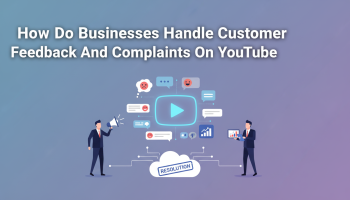
In the modern digital ecosystem, YouTube operates not merely as a video hosting platform but as the world’s second-largest search engine and a critical social touchpoint. For enterprises, the comment section is a double-edged sword: it serves as a fertile ground for community building and high-value user-generated content (UGC), yet it simultaneously acts as a public forum for grievances. Understanding how do businesses handle customer feedback and complaints on YouTube is no longer a peripheral task for social media managers—it is a core component of digital reputation management and semantic SEO strategy.
When a user leaves feedback or a complaint on a corporate channel, they trigger a chain of algorithmic and psychological events. Algorithmically, the comment signals engagement, potentially boosting the video’s visibility regardless of the sentiment. Psychologically, it creates a "spectator sport" where prospective customers judge the brand not by the mistake alleged in the complaint, but by the professionalism and speed of the resolution. Therefore, a robust framework for handling these interactions is essential for maintaining brand authority and trust.
The Ecosystem of Customer Feedback on Video Platforms
To effectively manage feedback, businesses must first map the vectors through which it arrives. Unlike static contact forms, YouTube interactions occur in real-time and are often highly visible to the public. Feedback generally manifests in three primary forms:
- Direct Video Comments: The most common form, ranging from product queries to detailed service complaints.
- Live Chat Streams: High-velocity feedback occurring during product launches or webinars, requiring immediate moderation.
- Video Responses: Users creating their own content to review or critique a brand, often requiring a cross-channel response strategy.
Each of these requires a distinct approach. While live chat demands immediate resource allocation, direct comments allow for a more calculated, strategic response that aligns with broader digital marketing objectives.
Protocols for Complaint Resolution and Reputation Management
The core of handling customer complaints lies in the "Public Acknowledgment, Private Resolution" protocol. This method balances the need for transparency with the necessity of data privacy and complex problem-solving.
1. The Triage Phase: Assessing Semantic Sentiment
Not all negative feedback warrants the same level of response. Sophisticated brands employ sentiment analysis to categorize comments into three buckets:
- Legitimate Service Failures: These are substantive complaints regarding product defects or service gaps. These require immediate, empathetic, and public acknowledgement.
- Constructive Criticism: Feedback suggesting improvements. These are high-value interactions that can guide product development.
- Trolling and Spam: Non-substantive, inflammatory, or automated content designed to disrupt. These are candidates for deletion or hiding, rather than engagement.
By filtering these inputs, businesses ensure their resources are focused on retaining actual customers rather than feeding internet trolls.
2. The Response Architecture
When a legitimate complaint is identified, the response must be crafted carefully. The initial reply should be visible to the public to demonstrate responsiveness. It should thank the user, acknowledge the specific issue (validating their frustration), and immediately propose a move to a secure channel.
For example, instead of debating the issue in the thread, a brand might reply: "We apologize for this experience. We want to investigate this transaction immediately. Please contact our support team at [Email/Link] so we can resolve this securely." This strategy minimizes public drama while showcasing a commitment to service.
3. Integrating Technology for Scalability
As channels grow, manual moderation becomes impossible. Forward-thinking companies are now integrating AI-driven solutions to manage this volume. By utilizing specific technologies, such as those discussed in technology consultancy frameworks, businesses can automate the detection of keywords (e.g., "broken," "scam," "late") to flag comments for human review.
Furthermore, automation isn’t just about filtering; it’s about assistance. Implementing smart auto-responses for common queries can reduce the load on support teams. For insights on setting up these automated systems, reviewing a guide on how to create a chatbot for customer support can provide foundational knowledge applicable to YouTube’s automated moderation tools.
The Semantic SEO Impact of Customer Interactions
It is critical to understand that YouTube comments are indexed content. The text within comments contributes to the semantic density of the page, influencing how the YouTube algorithm and Google search crawlers understand the video’s topic. A comment section filled with unaddressed complaints containing words like "scam" or "fail" can negatively impact the entity association of the brand.
Conversely, active management that generates positive keywords in replies (e.g., "solution," "resolved," "help") can reinforce a positive semantic profile. This aligns with broader SEO services principles, where user signals and content relevance drive rankings. By responding to questions with detailed, keyword-rich answers, businesses can actually use the comment section to rank for long-tail queries.
Handling Crisis Communication on YouTube
Occasionally, a video or a specific complaint may go viral, triggering a PR crisis. In these scenarios, the standard playbook changes. Speed becomes the primary variable. Businesses must deploy a unified message across all channels.
During a crisis, "ghosting" the comment section is the worst possible strategy. It signals apathy. Instead, businesses often pin a "pinned comment" to the top of the video addressing the issue collectively. This ensures that every viewer sees the official stance immediately, reducing the spread of misinformation in the thread below.
Leveraging Feedback for Business Intelligence
Beyond damage control, the feedback loop on YouTube is a goldmine for business intelligence. Comments often reveal pain points that focus groups miss. By analyzing the frequency of specific complaints, businesses can identify systemic operational failures.
For instance, if multiple users comment on a tutorial video that a specific step is unclear, this is a signal to update the content or product documentation. This iterative improvement process helps in refining the overall brand offering. To systematically capture and utilize this data, companies may engage in specialized SEO services that can help improve your online presence, ensuring that reputation management translates into organic growth.
The Role of Authenticity and Tone
Corporate speak is widely rejected on YouTube. The platform’s culture values authenticity. Responses that sound like copy-pasted legal disclaimers often incite further anger. The most successful brands adopt a human tone—professional yet conversational. This approach mirrors the logic behind creating a chatbot that feels more human; whether the responder is a human or a bot, the interaction must feel genuine to de-escalate tension effectively.
Advanced Tactics: Community Guidelines and Moderation Tools
Prevention is superior to cure. YouTube provides channel owners with robust tools to preemptively manage toxicity:
- Blocked Words List: automatically holding comments containing profanity or specific competitor names for review.
- Hold All Comments for Review: A stricter setting often used during sensitive PR moments.
- Moderator Roles: Assigning trusted community members or staff to moderate chat in real-time.
Utilizing these tools ensures that the comment section remains a place for constructive dialogue rather than a battlefield.
Frequently Asked Questions
Should businesses delete negative comments on YouTube?
Generally, businesses should not delete negative comments unless they violate community guidelines (hate speech, spam, profanity). Deleting valid complaints can lead to the “Streisand Effect,” where users become more vocal and aggressive because they feel silenced. It is better to respond publicly and professionally to show other viewers that you care about customer satisfaction.
How quickly should a business respond to a YouTube complaint?
Speed is critical. In the fast-paced environment of social media, a response within 24 hours is the industry standard. For live streams, immediate moderation is required. Delayed responses can make the customer feel ignored, potentially escalating a minor issue into a major PR problem.
Can I use AI to handle YouTube comments?
Yes, AI tools can be highly effective for initial triage and moderation. They can flag toxic comments, answer frequently asked questions, and route complex issues to human agents. For more on this technology, exploring AI chatbot development can offer insights into automating these interaction flows.
How do I move a conversation from YouTube comments to email?
To move a conversation offline, publicly reply to the comment expressing concern and empathy. Then, provide a direct support email address or a link to a secure support ticket system. Ask the customer to reference their YouTube username in the email so your team can connect the case history.
Does negative feedback affect my video’s SEO ranking?
Technically, the YouTube algorithm prioritizes engagement. High comment volume, even if negative, can initially boost visibility. However, if the negative sentiment leads to “dislikes” or users abandoning the video early (low retention), the ranking will eventually suffer. Managing feedback effectively transforms negative engagement into positive brand signals.
Conclusion
Mastering how businesses handle customer feedback and complaints on YouTube is a sophisticated discipline that blends public relations, customer support, and semantic SEO. It requires a shift in mindset from viewing comments as noise to viewing them as strategic assets. By implementing a rigorous triage protocol, leveraging automation technologies, and maintaining a human-centric tone, brands can turn their most vocal critics into loyal advocates. In the digital age, a complaint resolved openly and gracefully is often more powerful for brand trust than a perfect five-star review.

Editor at XS One Consultants, sharing insights and strategies to help businesses grow and succeed.