

Blog

How to
Develop an App Like DroidFinder
In today’s fast-paced world, smartphones are more than communication
tools — they hold personal memories, professional data,
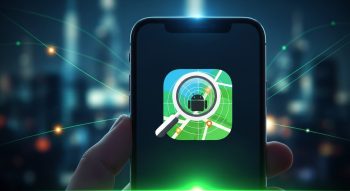
In today’s fast-paced world, smartphones are more than communication tools — they hold personal memories, professional data, and our digital identity. Losing a device can mean more than just losing hardware; it’s losing access to sensitive information. That’s where DroidFinder stands out — a smart, user-friendly device tracking app designed to help users locate lost or stolen phones quickly and securely.
If you’ve ever wondered how to develop an app like DroidFinder, this in-depth guide will walk you through every step — from concept and design to technology stack, features, and monetization. Whether you’re an aspiring app developer, entrepreneur, or tech startup, this guide will help you build a reliable, feature-rich mobile tracker optimized for both Android and iOS.
1. Understanding DroidFinder: What Makes It Powerful
Before you start designing your own device tracking app, you need to understand what makes DroidFinder unique. Unlike basic phone locator tools, DroidFinder combines GPS tracking, data protection, remote commands, and smart security into one seamless experience.
Core Functionalities of DroidFinder:
-
Real-Time GPS Location Tracking
-
Remote Lock and Data Wipe
-
Find My Device Alerts (Sound & Ring)
-
SIM Change Notification
-
Geofencing Alerts
-
Offline Tracking Support
-
Multi-Device Management
-
Web Dashboard for Remote Access
DroidFinder provides users with peace of mind, ensuring their phone and personal data are always protected — even if the device is lost or stolen.
2. Market Overview: The Growing Demand for Device Tracking Apps
The mobile tracking and security app market is rapidly expanding as smartphone dependency increases. Users seek apps that ensure data safety, location awareness, and theft protection.
Market Insights:
-
The global mobile security app market is expected to reach $30 billion by 2027.
-
Over 40% of smartphone users have lost or misplaced a device at least once.
-
Businesses use device tracking for fleet management and employee safety.
-
Demand for cross-platform and cloud-integrated solutions continues to grow.
Popular competitors like Find My Device, Life360, and Prey Anti-Theft have paved the way, but there’s still plenty of room for new apps offering better UI, privacy control, and AI-powered tracking.
3. Planning Your App: Defining the Vision and Goals
The first step in developing an app like DroidFinder is defining your purpose, audience, and value proposition.
Ask These Questions:
-
Who is your target audience? (individual users, families, or enterprises)
-
What problem are you solving? (theft protection, tracking, data recovery)
-
What will make your app different? (AI assistance, real-time alerts, UI simplicity)
A clear strategy ensures your development aligns with market needs while giving your app a distinct identity.
4. Must-Have Features of a DroidFinder-Like App
The success of a tracking app depends on a combination of accuracy, security, and usability.
Core Features:
-
GPS Location Tracking: Pinpoint device location using satellite data.
-
Device Ringing Function: Helps locate a misplaced phone nearby.
-
Remote Lock & Wipe: Prevent unauthorized access to sensitive data.
-
SIM Change Detection: Sends alerts when a new SIM card is inserted.
-
Battery Status Display: Shows remaining battery to plan recovery actions.
-
Web Dashboard: Allows tracking via desktop browser.
-
Real-Time Map Integration: Uses Google Maps or Mapbox APIs.
-
Push Notifications & Alerts: Notify users of activity or updates.
Advanced Features:
-
Geofencing: Notifies when the device enters or leaves defined areas.
-
Photo Capture: Takes pictures from the front camera when lost.
-
Voice Command Search: “Find my phone” integration.
-
Multi-Device Support: Manage multiple devices under one account.
-
Offline Tracking Mode: Uses last known coordinates when GPS is off.
-
AI-Powered Tracking Suggestions: Predicts location based on movement patterns.
These features ensure a highly functional, secure, and user-trusted app.
5. Choosing the Right Tech Stack
The tech stack defines your app’s scalability, speed, and accuracy. Choose frameworks and services that enhance GPS precision, performance, and data safety.
Frontend (User Interface):
-
Flutter (Dart): Ideal for cross-platform apps with high performance.
-
React Native (JavaScript): Great for fast UI/UX development.
-
Kotlin (Android) / Swift (iOS): Best for native app performance.
Backend (Server & Cloud Management):
-
Node.js / Django / Laravel: For handling tracking logic and data exchange.
-
Firebase / AWS Amplify: For authentication, real-time database, and push notifications.
-
PostgreSQL / MongoDB: To store user data securely.
APIs and SDKs:
-
Google Maps API or Mapbox SDK: For map visualization and routing.
-
CoreLocation (iOS) / FusedLocationProvider (Android): For accurate GPS tracking.
-
Firebase Cloud Messaging (FCM): For sending instant alerts.
This stack ensures smooth performance, low latency, and strong integration with GPS and cloud systems.
6. UI/UX Design: Making It Simple Yet Powerful
A clean, intuitive design is critical for usability. Even powerful features lose impact if users find the interface confusing.
Design Guidelines:
-
Minimal Layout: Focus on map view, location, and control buttons.
-
Real-Time Indicators: Show live device status updates.
-
Dark Mode & Light Mode: Give users visual comfort.
-
Interactive Maps: Enable pinch zoom and location refresh.
-
Quick Access Controls: Remote lock, ring, or wipe buttons on the home screen.
-
Onboarding Tutorial: Help users understand permissions and safety tools.
Tools like Figma, Sketch, or Adobe XD are excellent for creating app prototypes before coding begins.
7. GPS and Real-Time Tracking Implementation
The heart of DroidFinder lies in its GPS and tracking logic.
How It Works:
-
The app constantly collects GPS coordinates.
-
Data is encrypted and sent to the backend via secure APIs.
-
The backend updates the location on the user’s dashboard or companion app.
-
If the device goes offline, the last known location is stored locally.
Key APIs and Frameworks:
-
FusedLocationProviderClient (Android) — Efficient, low-battery tracking.
-
CoreLocation (iOS) — High-precision GPS tracking for Apple devices.
-
GeoFire / Firestore Integration — Real-time map updates.
For accuracy, integrate both GPS + Wi-Fi triangulation and cell tower location data.
8. Security and Privacy Protocols
Since location data is sensitive, security is non-negotiable.
Best Practices:
-
End-to-End Encryption: Encrypt all location data using AES-256.
-
Token-Based Authentication: Secure all API endpoints.
-
Role-Based Access Control: Allow only authorized user actions.
-
Privacy Policies: Inform users about data collection and storage.
-
GDPR & CCPA Compliance: Follow global data protection standards.
User trust depends on transparent privacy controls and strong encryption protocols.
9. Testing and Quality Assurance
Testing ensures accuracy, reliability, and smooth operation under all conditions.
Testing Stages:
-
Unit Testing: For map rendering and GPS updates.
-
Integration Testing: Validate data sync between app and server.
-
Load Testing: Simulate multiple users tracking devices simultaneously.
-
Security Testing: Use penetration tools to detect vulnerabilities.
-
Beta Testing: Gather real-world user feedback.
Tools to Use:
-
Appium / Espresso: Automation testing.
-
Firebase Test Lab: Multi-device testing.
-
OWASP ZAP: Security assessment.
Testing is critical for ensuring your DroidFinder-like app works flawlessly across diverse environments.
10. Deployment: Launching Your App Successfully
After rigorous testing, you’re ready to publish your app.
Pre-Launch Checklist:
-
Create app store listings with clear descriptions and visuals.
-
Highlight privacy and GPS accuracy in app features.
-
Include a promo video showcasing “Track My Phone” functionality.
-
Test user onboarding and permissions thoroughly.
ASO (App Store Optimization) Keywords:
-
“Find my phone app”
-
“Lost phone tracker”
-
“Android device finder”
-
“Phone security and GPS app”
-
“Real-time location tracking”
Optimizing for these keywords boosts visibility in Google Play and App Store searches.
11. Marketing and Growth Strategy
Once launched, focus on branding, visibility, and user acquisition.
Marketing Tactics:
-
Social Media Ads: Run campaigns showcasing the app’s recovery success stories.
-
Influencer Partnerships: Collaborate with tech YouTubers or cybersecurity bloggers.
-
Press Releases: Announce your app launch on tech news outlets.
-
SEO Content Marketing: Publish blogs about mobile tracking, security tips, and data safety.
-
Referral Programs: Encourage existing users to invite friends for rewards.
Building user trust through educational and transparent content will make your app grow organically.
12. Monetization Strategies
You can monetize your DroidFinder-inspired app in several effective ways.
Monetization Models:
-
Freemium: Offer core tracking features for free, premium ones via subscription.
-
Ads: Integrate non-intrusive ads like banners or rewarded videos.
-
In-App Purchases: Offer advanced features like geofencing or cloud backup.
-
Subscription Plans: Charge monthly or yearly fees for premium security tools.
-
Enterprise Licenses: Offer bulk plans for companies tracking multiple devices.
Balancing monetization with user trust and privacy is key for long-term profitability.
13. Maintenance and Updates
Your app’s lifecycle doesn’t end with launch — it’s an ongoing journey.
Post-Launch Maintenance Checklist:
-
Monitor performance analytics (crash rates, load time, accuracy).
-
Fix bugs and patch vulnerabilities.
-
Release feature updates based on user feedback.
-
Stay updated with OS upgrades (Android/iOS).
-
Improve AI models for location prediction and power optimization.
Continuous improvement ensures your DroidFinder-like app remains competitive and user-friendly.
14. Development Cost and Timeline
Estimated Development Timeline:
-
Basic Version: 8–10 weeks
-
Advanced Version (Cloud, Geofencing, AI): 14–18 weeks
Estimated Cost:
-
Basic App: $6,000 – $8,000
-
Advanced App: $12,000 – $25,000+
The final cost depends on the complexity, design, and development location (freelancer vs. agency).
15. Future Trends in Device Tracking Apps
To stay ahead in this competitive market, consider integrating modern technologies.
Emerging Innovations:
-
AI & ML Prediction: Smart suggestions for probable device location.
-
Blockchain-Based Tracking: Decentralized data storage for security.
-
Augmented Reality Tracking: Use AR overlays for location visualization.
-
5G GPS Enhancement: Faster and more precise location updates.
-
Voice & Wearable Integration: Hands-free tracking via smartwatches or assistants.
Incorporating these trends ensures your app remains innovative, secure, and future-ready.
Conclusion
Developing an app like DroidFinder requires a balance of technical expertise, security protocols, and user experience design. From robust GPS integration and real-time tracking to data encryption and intuitive UI, every detail plays a vital role in delivering a product users can trust.
By following this guide — from market research to app monetization — you can create a reliable, scalable, and smart device tracking app that competes successfully in today’s mobile security market.
Remember, success doesn’t come from copying features but from enhancing user confidence through innovation and transparency. With the right vision, tools, and execution, your DroidFinder-inspired app can redefine how users protect and locate their devices in the digital era.

He is a SaaS-focused writer and the author of Xsone Consultants, sharing insights on digital transformation, cloud solutions, and the evolving SaaS landscape.