

Blog

How to
Develop an App Like eBay
In today’s fast-paced digital economy, developing an app like
eBay has become a lucrative opportunity for entrepreneurs
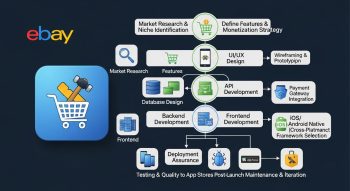
In today’s fast-paced digital economy, developing an app like eBay has become a lucrative opportunity for entrepreneurs looking to enter the eCommerce marketplace industry. With millions of users buying and selling every day, platforms like eBay, Amazon, and Etsy dominate global trade. Building a similar online marketplace mobile app allows businesses to connect buyers and sellers, manage secure transactions, and create a thriving digital ecosystem.
This guide will cover everything you need to know about how to build an app like eBay, including the key features, development process, technology stack, cost estimation, and monetization models. Whether you’re planning to launch a peer-to-peer (P2P), business-to-consumer (B2C), or multi-vendor eCommerce platform, this detailed roadmap will help you bring your marketplace app idea to life.
1. Understanding the eBay Business Model
Before you start development, it’s important to understand how eBay’s marketplace business model works. eBay connects buyers and sellers through auction-style and fixed-price listings, charging sellers a commission or listing fee on successful sales. It’s a multi-vendor eCommerce app where independent sellers can showcase their products to a massive global audience.
Key components of the eBay model:
-
Multi-vendor marketplace – Multiple sellers list items on a single platform.
-
Auction and fixed-price options – Users can either bid or buy instantly.
-
Revenue generation – Through transaction fees, promotions, and ads.
-
Trust-based system – Ratings, reviews, and verified seller badges.
-
User-centric design – Easy search, product filters, and smooth checkout.
If you want to create an app like eBay, start by deciding whether your platform will focus on new items, used goods, or niche categories such as fashion, electronics, or collectibles.
2. Market Research and Business Planning
Comprehensive market research helps you understand your competition, identify audience needs, and define your unique value proposition (UVP). Platforms like eBay, Amazon, Alibaba, and Facebook Marketplace are strong competitors, but there’s always room for innovation in design, niche focus, or user experience.
Steps for planning your marketplace app:
-
Choose your niche – Focus on specific product categories or demographics.
-
Define your audience – Target individual sellers, small businesses, or large retailers.
-
Identify pain points – Faster shipping, better trust systems, or improved UI.
-
Monetization strategy – Plan how your app will generate income (listing fees, commissions, subscriptions, or ads).
-
Set long-term goals – Growth metrics, expansion strategy, and scalability roadmap.
Thorough planning ensures your marketplace app development stays aligned with both customer needs and business profitability.
3. Essential Features for an App Like eBay
When developing a buy-and-sell marketplace app, you need to prioritize core features that drive user engagement, trust, and seamless transactions.
A. Buyer Features
-
User registration and login via email, phone, or social accounts.
-
Advanced search & filters for easy product discovery.
-
Product listings with detailed descriptions, images, and pricing.
-
Shopping cart & checkout for quick purchases.
-
Secure payment gateway integration (PayPal, Stripe, or credit cards).
-
Order tracking and shipping details.
-
Ratings & reviews for sellers and products.
-
Push notifications for offers, price drops, and shipping updates.
-
Wishlist and favorites for future purchases.
B. Seller Features
-
Seller onboarding & verification process.
-
Dashboard for performance analytics (sales, views, conversions).
-
Add/edit/delete product listings.
-
Inventory management system.
-
Order management with shipping updates.
-
Payout & commission tracking.
-
Promotional tools (featured listings, sponsored ads).
C. Admin Panel Features
-
User management (buyers/sellers).
-
Transaction and payment monitoring.
-
Commission settings & revenue analytics.
-
Product moderation and quality control.
-
Dispute resolution & support tools.
-
Marketing and notification management.
These core features are the foundation of a scalable, functional marketplace app like eBay.
4. Designing an Engaging User Experience (UX/UI)
A well-designed app interface determines how users interact, browse, and make purchases. The user experience (UX) should feel natural, fast, and secure.
Tips for effective marketplace design:
-
Use a clean, minimal layout that focuses on products.
-
Incorporate easy navigation tabs (Home, Search, Sell, Profile).
-
Include high-quality images and videos for each product.
-
Design intuitive checkout flow to minimize cart abandonment.
-
Add trust signals such as verified badges and seller ratings.
-
Optimize for mobile responsiveness and dark mode compatibility.
-
Include in-app chat for direct communication between buyers and sellers.
A user-centric design builds credibility and keeps users engaged longer, which improves conversions and retention rates.
5. Choosing the Right Technology Stack
The tech stack you select affects app performance, security, and scalability. Here’s a recommended setup for developing an eCommerce marketplace like eBay.
| Component | Technology Options |
|---|---|
| Frontend | React Native, Flutter, Swift (iOS), Kotlin (Android) |
| Backend | Node.js, Django, Laravel, Ruby on Rails |
| Database | PostgreSQL, MySQL, MongoDB |
| Cloud Hosting | AWS, Google Cloud, Microsoft Azure |
| Search Engine | Elasticsearch, Algolia |
| Payment Gateways | Stripe, PayPal, Razorpay |
| Storage | AWS S3, Google Cloud Storage |
| Notifications | Firebase Cloud Messaging (FCM), OneSignal |
| Analytics | Google Analytics, Mixpanel, Firebase Analytics |
Choosing scalable cloud infrastructure ensures smooth performance even with a growing number of users, listings, and transactions.
6. Step-by-Step Process to Develop an App Like eBay
Here’s the complete development roadmap for your marketplace app:
Step 1: Project Discovery
-
Define business objectives and technical requirements.
-
Research competitors and target audience.
-
Draft wireframes and user flow diagrams.
Step 2: UI/UX Design
-
Create user journey maps for buyers and sellers.
-
Design prototypes for app screens and dashboards.
-
Test usability before development.
Step 3: Backend Development
-
Set up a secure server architecture.
-
Build APIs for listings, payments, and authentication.
-
Implement role-based access for users, sellers, and admin.
Step 4: Frontend Development
-
Develop responsive mobile app screens.
-
Integrate with backend APIs.
-
Ensure seamless data synchronization.
Step 5: Payment & Security Integration
-
Add encrypted payment gateways.
-
Use SSL/TLS for data transmission.
-
Implement fraud detection and escrow system.
Step 6: Testing & Quality Assurance
-
Conduct unit, integration, and security testing.
-
Perform usability testing to ensure a smooth experience.
-
Fix performance bottlenecks.
Step 7: Launch & Deployment
-
Submit apps to Google Play and Apple App Store.
-
Set up CI/CD pipelines for updates.
-
Optimize app store listings with relevant keywords.
Step 8: Post-Launch Maintenance
-
Monitor analytics and user feedback.
-
Release updates and new features.
-
Scale infrastructure as your user base grows.
7. Monetization Models for Your Marketplace App
A marketplace like eBay earns money through various revenue streams. You can implement one or multiple models:
-
Commission on sales – Charge a percentage per transaction.
-
Listing fees – Sellers pay to list or promote products.
-
Subscription plans – Offer premium tools for sellers.
-
Advertising & sponsorships – Display banner ads or featured listings.
-
Transaction fees – Add a small processing fee for each payment.
-
Value-added services – Offer shipping, insurance, or analytics tools.
A balanced monetization model ensures consistent revenue without discouraging sellers from joining your platform.
8. Cost to Develop an App Like eBay
The development cost depends on features, complexity, team size, and location. Below is an approximate breakdown:
| Development Stage | Estimated Cost (USD) |
|---|---|
| Discovery & Research | $2,000 – $5,000 |
| UI/UX Design | $5,000 – $10,000 |
| Backend & API Development | $10,000 – $30,000 |
| Frontend (Mobile Apps) | $20,000 – $50,000 |
| Payment & Security Integration | $5,000 – $10,000 |
| Testing & QA | $5,000 – $15,000 |
| Deployment & Launch | $2,000 – $5,000 |
| Total (MVP to Full App) | $50,000 – $150,000+ |
If you hire developers from regions like South Asia or Eastern Europe, the cost can be significantly lower while maintaining quality.
9. Marketing and Growth Strategies
After launch, focus on user acquisition and retention. Without traffic, even the best app will fail to scale.
Effective marketing tactics:
-
App Store Optimization (ASO) – Use target keywords like “buy and sell app,” “online marketplace,” and “eCommerce app.”
-
Social Media Marketing – Promote products and seller stories on Instagram, TikTok, and Facebook.
-
Content Marketing – Create blogs like “How to sell online” or “Tips for online buyers.”
-
Referral Programs – Reward users for inviting friends.
-
Email Campaigns – Send personalized offers and updates.
-
Influencer Partnerships – Collaborate with niche influencers to attract loyal users.
Consistent marketing builds brand recognition and drives organic growth.
10. Challenges in Developing a Marketplace App
While developing an app like eBay is rewarding, it comes with challenges that need strategic solutions.
-
Building user trust – Include ratings, verification, and buyer protection policies.
-
Balancing supply and demand – Attract both buyers and sellers simultaneously.
-
Managing security risks – Protect against fraud, fake listings, and scams.
-
Ensuring smooth payments – Integrate secure, global payment gateways.
-
Scalability issues – Optimize servers for high traffic and data loads.
-
Regulatory compliance – Adhere to data protection and eCommerce laws.
Addressing these challenges early ensures a sustainable marketplace ecosystem.
11. Future Trends in Marketplace App Development
Technology is rapidly changing how people buy and sell online. If you want your app to compete with global players like eBay and Amazon, consider implementing these modern trends:
-
AI-driven recommendations to personalize buyer experience.
-
AR/VR product previews for immersive shopping.
-
Blockchain payments and smart contracts for secure transactions.
-
Voice commerce integration with Alexa or Google Assistant.
-
Sustainability features like carbon-neutral shipping options.
-
Live streaming commerce for real-time product showcases.
Embracing innovation helps your app stand out and attract tech-savvy users.
12. Key Takeaways for Success
-
Focus on user trust and security from day one.
-
Build a scalable architecture to support future growth.
-
Keep the UI simple and engaging for all user types.
-
Offer multiple payment and shipping options.
-
Continuously analyze user behavior and app performance.
-
Implement strong marketing and referral programs.
-
Listen to feedback and update features regularly.
Success in the marketplace industry depends on balancing user experience, technology, and business strategy.
13. Final Thoughts
Developing an app like eBay is not just about coding — it’s about building a thriving online community where buyers and sellers can interact safely and efficiently. With the right combination of market research, advanced technology, UX design, and monetization models, you can create a powerful, user-friendly, and scalable eCommerce marketplace app.
As online marketplaces continue to dominate global retail, now is the perfect time to invest in a platform that connects people, fosters trade, and drives digital growth. Whether you’re a startup or an established brand, following this step-by-step guide will help you build, launch, and scale your app like eBay successfully.

He is a SaaS-focused writer and the author of Xsone Consultants, sharing insights on digital transformation, cloud solutions, and the evolving SaaS landscape.