
Blog

How to
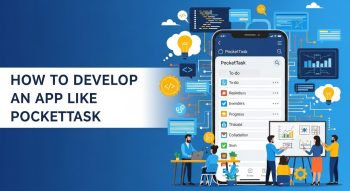
Develop an App Like PocketTask
Introduction Contents hide 1 Introduction 2 Step 1: Understanding
the Concept Behind PocketTask 2.1 Key Objectives of
Introduction
In today’s fast-moving digital landscape, productivity tools have become essential for managing both personal and professional life. From freelancers organizing projects to teams tracking deadlines, people are constantly searching for apps that simplify task management. One such innovative solution is PocketTask — a smart, intuitive, and feature-rich productivity app that helps users stay organized, focused, and efficient.
If you’ve ever wondered how to develop an app like PocketTask, this guide will walk you through every detail of the process — from market research and concept validation to design, technology stack, development, testing, and monetization.
As we explore each step, you’ll learn how to create a task management app that delivers a seamless user experience, integrates with modern productivity tools, and stands out in a highly competitive marketplace.
Step 1: Understanding the Concept Behind PocketTask
Before starting development, you need to understand what makes PocketTask different. It’s more than a digital to-do list — it’s a comprehensive productivity ecosystem designed to streamline how users plan, track, and execute their daily goals.
Key Objectives of a PocketTask-Type App
-
Simplify complex workflows into manageable tasks.
-
Enable collaboration among teams, departments, or families.
-
Help users visualize productivity trends and milestones.
-
Offer cloud synchronization for multi-device access.
-
Deliver smart reminders and notifications for deadlines.
Essentially, PocketTask focuses on making productivity portable — empowering users to manage everything “from their pocket,” no matter where they are.
Step 2: Conduct Market Research and Define Your Audience
The productivity app market is vast, but users’ expectations are specific. Before writing a single line of code, invest time in understanding your target audience and market positioning.
Identify Your User Base
-
Professionals: Managing work tasks, meetings, and client deliverables.
-
Students: Organizing study plans, assignments, and exams.
-
Freelancers: Tracking projects, invoices, and deadlines.
-
Teams: Collaborating on shared tasks and progress tracking.
Study competitors such as Todoist, TickTick, Microsoft To Do, Trello, and Asana. Note their features, interface styles, and pricing models.
Find the Gaps
Read user reviews on app stores. Look for patterns in complaints — perhaps users want a cleaner design, offline sync, or AI-based scheduling. These gaps will help you position your app as a better alternative.
Step 3: Define the Core Features
A successful task management app balances simplicity and functionality. Build the first version — the Minimum Viable Product (MVP) — with must-have features, then expand gradually based on user feedback.
Essential MVP Features
-
User Registration & Authentication: Secure login via email, Google, or Apple ID.
-
Task Creation & Management: Add, edit, categorize, and prioritize tasks.
-
Reminders & Notifications: Custom alerts for due dates and repeating tasks.
-
Task Lists & Filters: Sort tasks by priority, category, or completion date.
-
Cloud Synchronization: Sync data across devices in real time.
-
Offline Mode: Access and edit tasks without internet connectivity.
-
Data Backup: Automatic backup to cloud storage for security.
Advanced Features for Later Versions
-
AI-Powered Task Recommendations: Suggest optimal task schedules based on patterns.
-
Team Collaboration: Shared projects, file attachments, and group discussions.
-
Gamification: Productivity streaks, badges, or goal-based achievements.
-
Integration APIs: Connect with Slack, Google Calendar, and Microsoft Teams.
-
Custom Themes: Personalize colors, layouts, and icons.
By focusing on these features, you create a strong foundation that can evolve with your users’ needs.
Step 4: Design a Smooth and Intuitive UI/UX
The design of a productivity app determines whether users stick around or uninstall it after a week. PocketTask’s design philosophy revolves around simplicity, clarity, and visual balance.
UI/UX Design Tips
-
Minimalist Layout: Reduce clutter and highlight essential actions.
-
Consistent Color Palette: Use calming colors that promote focus.
-
Visual Hierarchy: Make important tasks more visible through typography or color.
-
Gestural Navigation: Swipe to complete, delete, or reschedule tasks.
-
Accessibility: Ensure fonts, contrasts, and button sizes suit all users.
-
Dark Mode: Provide a night-friendly interface for late-hour productivity.
Use tools like Figma, Sketch, or Adobe XD to prototype designs. Conduct A/B testing with real users to refine usability before coding begins.
Step 5: Choose the Ideal Tech Stack
Selecting the right technologies ensures your app is scalable, fast, and secure.
Suggested Technology Stack
Frontend (Mobile):
-
Flutter (cross-platform)
-
React Native (cross-platform)
-
Swift (iOS native)
-
Kotlin (Android native)
Backend:
-
Node.js or Express.js (JavaScript)
-
Django (Python)
-
Laravel (PHP)
Database:
-
Firebase Realtime Database
-
MongoDB or PostgreSQL
Cloud Hosting:
-
Google Cloud Platform (GCP)
-
AWS Amplify or Microsoft Azure
Other Tools:
-
Push Notifications: Firebase Cloud Messaging (FCM)
-
Analytics: Google Analytics for Firebase
-
Version Control: GitHub or GitLab
A cross-platform framework like Flutter is ideal if you want faster development for both Android and iOS.
Step 6: Develop the App
Once your design and tech stack are finalized, move to the development stage. Divide the process into smaller modules to maintain workflow clarity.
1. Frontend Development
-
Build the user interface and integrate animations.
-
Implement responsive layouts for different screen sizes.
2. Backend Development
-
Create RESTful APIs for authentication, task storage, and synchronization.
-
Implement data encryption for secure cloud communication.
3. Integration
-
Connect the frontend and backend seamlessly.
-
Set up push notifications and in-app reminders.
Use the Agile methodology, allowing flexibility and iterative updates based on feedback.
Step 7: Prioritize Data Security and Privacy
Since users store personal and professional data in PocketTask, ensuring security is non-negotiable.
Essential Security Measures
-
End-to-End Encryption: Protect data both in transit and at rest.
-
Secure Authentication: Implement OAuth 2.0 and two-factor authentication.
-
Data Backup: Schedule encrypted backups to cloud servers.
-
GDPR Compliance: Follow data privacy laws and inform users about permissions.
-
Session Management: Auto-logout on inactivity for safety.
Transparency about how user data is handled builds trust and credibility.
Step 8: Test the App Thoroughly
Testing ensures stability, speed, and usability across multiple devices.
Testing Types
-
Functional Testing: Ensure all features perform correctly.
-
Usability Testing: Verify the app is intuitive for all age groups.
-
Performance Testing: Check for lag, battery drain, and sync delays.
-
Security Testing: Identify and patch vulnerabilities.
-
Compatibility Testing: Validate performance on various screen sizes and OS versions.
Engage beta testers to collect real feedback and fine-tune before launch.
Step 9: Launch and Market Your App
A strategic launch ensures your app reaches the right audience quickly.
Pre-Launch Checklist
-
Design a professional app logo and compelling screenshots.
-
Write an engaging app store description highlighting your app’s benefits.
-
Create a short demo video showcasing key features.
-
Set up social media profiles and a landing page for sign-ups.
Post-Launch Promotion
-
Encourage early users to leave ratings and reviews.
-
Collaborate with productivity influencers or YouTube reviewers.
-
Run paid campaigns on Google Ads, Facebook, and LinkedIn.
-
Send newsletters with productivity tips to retain users.
Step 10: Monetize Your App Effectively
PocketTask can generate sustainable revenue through multiple monetization models.
Common Monetization Options
-
Freemium Model: Offer basic features free; charge for premium upgrades.
-
Subscription Plans: Monthly or annual access to advanced tools.
-
In-App Purchases: Custom templates, productivity themes, or storage upgrades.
-
Ads: Minimal, non-intrusive banner ads for free users.
-
Enterprise Licensing: Offer a business version for corporate teams.
A balanced monetization strategy ensures profit without compromising user experience.
Step 11: Maintain, Update, and Scale
After launch, your focus should shift toward maintenance, optimization, and growth.
Continuous Improvement Strategies
-
Regularly release updates with new features.
-
Track analytics to measure user engagement and retention.
-
Monitor performance and fix bugs quickly.
-
Gather user feedback via in-app surveys.
-
Introduce gamified or AI-enhanced productivity features to boost retention.
Scaling also includes improving your infrastructure as your user base grows — ensure your servers and databases can handle traffic efficiently.
Step 12: Incorporate AI and Automation for Next-Level Productivity
To make your app stand out in the evolving productivity space, integrate AI and automation.
AI-Driven Enhancements
-
Smart Scheduling: Predicts when users are most productive.
-
Intelligent Task Sorting: Auto-categorizes tasks by priority.
-
Voice Commands: Allows hands-free task entry.
-
Predictive Notifications: Sends reminders based on user habits.
These features turn PocketTask from a simple organizer into a personal productivity assistant.
Step 13: Build a Strong Brand Identity
A recognizable brand helps PocketTask gain credibility in a crowded market.
Branding Tips
-
Use a consistent tone and color scheme.
-
Create a memorable logo and tagline.
-
Share productivity blogs or tips through social media.
-
Build a community — encourage users to share success stories or productivity hacks.
Consistent branding fosters trust and long-term loyalty.
Conclusion
Developing an app like PocketTask combines technical expertise, thoughtful design, and a deep understanding of human behavior. It’s not just about creating another task manager—it’s about building a digital companion that enhances focus, simplifies workflows, and helps users reach their goals efficiently.

He is a SaaS-focused writer and the author of Xsone Consultants, sharing insights on digital transformation, cloud solutions, and the evolving SaaS landscape.