

Blog

How to
Develop an App Like TapMate
Contents hide 1 1. Understanding What TapMate Is 1.1
Core Concept 1.2 Why Build an App Like
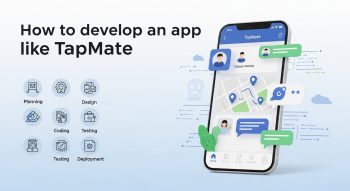
In today’s app-driven world, creating interactive mobile applications that enhance user experience is both a necessity and an opportunity. If you’re wondering how to develop an app like TapMate, this comprehensive guide will walk you through every stage — from idea validation to post-launch marketing.
Whether your goal is to build a tap counter app, click tracker, or a gamified tap-to-earn solution, developing an app like TapMate requires strategic planning, creative UI/UX design, the right technology stack, and strong marketing efforts.
In this guide, we’ll explore TapMate app development, mobile app design, cross-platform frameworks, backend architecture, monetization strategies, and more — all optimized for search engines and natural language understanding.
1. Understanding What TapMate Is
Before starting development, it’s essential to understand what kind of app you’re aiming to create.
TapMate is typically known as a simple yet engaging tap counter app or auto clicker that allows users to register multiple taps, track their counts, and reset or share results. These apps are often used for fun challenges, tracking habits, or even for productivity.
Core Concept
TapMate’s primary functionality revolves around:
-
Counting the number of taps made by a user.
-
Displaying the total count in real-time.
-
Offering customization features such as themes or sounds.
-
Providing simple analytics or sharing options.
Why Build an App Like TapMate?
-
Low development cost: It’s easy to start and scale.
-
High engagement: Simple interfaces keep users hooked.
-
Monetization potential: Through ads or premium upgrades.
-
Broad audience appeal: Fitness lovers, habit trackers, gamers, and casual users can all use it.
With the right approach, you can design a feature-rich, highly responsive, and visually appealing app that stands out from the competition.
2. Research and Market Analysis
Before writing any code, begin with market research. Identify competitors, understand user needs, and explore monetization trends.
Competitor Analysis
Some popular competitors include:
-
Click Counter – Tally Counter App
-
Tap Counter – Simple Counter Tool
-
Counter+ Habit Tracker
Study these apps’ downloads, reviews, and UI designs. Identify common issues such as excessive ads, outdated interfaces, or lack of sync features — and use those insights to make your app better.
Target Audience
Your potential users may include:
-
People counting items, reps, or goals.
-
Gamers testing reaction speed or auto-clicking.
-
Fitness enthusiasts counting sets or reps.
-
Event organizers tracking participation.
Understanding your audience helps tailor the user interface (UI), features, and app flow for maximum satisfaction.
3. Defining the Core Features (MVP)
To develop an app like TapMate, start by defining a Minimum Viable Product (MVP).
Essential Features
-
Tap Button Interface – A large, responsive button that tracks every tap.
-
Count Display – Real-time tap count with animations or sound.
-
Reset & Undo Options – Allow users to clear or correct mistakes.
-
Session Tracker – Record tap sessions and display results.
-
Settings Panel – Customize feedback sounds, vibration, or color themes.
-
History & Analytics – Show past session counts or achievements.
Advanced Features
-
Cloud Sync & Backup using Firebase or AWS.
-
Social Sharing for engagement.
-
Dark Mode and custom themes.
-
Gamification: Rewards, badges, daily goals.
-
Monetization: Ads, in-app purchases, or subscriptions.
A simple, intuitive interface is key — users should be able to start tapping instantly.
4. Choosing the Right Tech Stack
Selecting the right technologies will define your app’s scalability, performance, and cost.
Frontend (UI/UX Development)
-
Android: Kotlin or Java.
-
iOS: Swift or SwiftUI.
-
Cross-platform: Flutter or React Native for a unified codebase.
Backend Development
If your app stores user data or provides analytics:
-
Cloud Platforms: Firebase, AWS Amplify, or Google Cloud.
-
Databases: SQLite, Realm, Firebase Firestore.
-
API Frameworks: Node.js, Express, Django, or Laravel.
Third-Party Integrations
-
Analytics: Google Firebase Analytics.
-
Crash Reports: Crashlytics.
-
Ads: Google AdMob or Meta Audience Network.
-
Payments: Stripe or Google Play Billing.
The tech stack you choose should align with your development team’s skills and app goals.
5. Designing a User-Friendly UI/UX
When developing an app like TapMate, user interface design plays a crucial role. Users should enjoy every tap — visually and interactively.
UI Design Best Practices
-
Use a large, centered tap button.
-
Add smooth animations for instant feedback.
-
Include minimalist color schemes for better focus.
-
Offer light and dark themes.
-
Keep the layout clutter-free with clear typography.
UX Design Tips
-
Provide haptic feedback for each tap.
-
Minimize onboarding; let users start immediately.
-
Make the reset button easy to access but confirm before clearing.
-
Display short tutorials or tips only if necessary.
A great design not only attracts users but also keeps them engaged longer.
6. Development Phase: Building the App
Now that the planning and design are complete, it’s time to build.
Step 1: App Architecture
Follow a clean architecture pattern such as MVVM (Model-View-ViewModel) or MVP (Model-View-Presenter). This separates your app’s logic from the UI, improving scalability and maintenance.
Step 2: Core Functionality
-
Implement tap tracking logic (increment/decrement).
-
Add visual and sound feedback for taps.
-
Create session storage for previous counts.
-
Build a settings module for customization.
-
Integrate local database or cloud sync.
Step 3: Monetization Setup
To make your TapMate-like app profitable:
-
Free version: Include non-intrusive ads.
-
Premium version: Offer ad-free experience and extra features.
-
Subscriptions: Unlock analytics or advanced themes monthly.
Step 4: Testing
-
Perform unit testing for tap logic.
-
Conduct UI testing on multiple screen sizes.
-
Test on different OS versions for compatibility.
-
Ensure zero lag and instant feedback on every tap.
7. Testing and Quality Assurance
Testing ensures the app works smoothly on all devices.
Types of Testing
-
Functional Testing: Validate core features (tapping, counting, resetting).
-
Performance Testing: Ensure high responsiveness during rapid taps.
-
UI Testing: Confirm design consistency across devices.
-
Beta Testing: Invite users for real-world testing and feedback.
Common Tools
-
Android: Espresso, Robolectric.
-
iOS: XCTest.
-
Cross-platform: Appium, BrowserStack.
Early testing saves time, builds trust, and prevents post-launch bugs.
8. App Launch and Store Optimization (ASO)
Once testing is complete, it’s time to launch.
App Store Optimization (ASO)
Just like SEO for websites, ASO helps your app rank higher on Google Play and the App Store.
ASO Checklist
-
App Title: Include main keyword (“Tap Counter” or “TapMate-like”).
-
Subtitle: Highlight unique selling points.
-
Description: Use long-tail keywords like “tap counter app”, “click tracker”, “habit counter”.
-
Screenshots & Videos: Showcase clean UI and features.
-
User Reviews: Encourage positive ratings.
-
App Icon: Keep it simple and recognizable.
Optimized metadata improves visibility and drives organic downloads.
9. Marketing and Promotion Strategies
Your app’s success depends on how well it’s marketed after launch.
Marketing Channels
-
Social Media: Promote on Instagram, TikTok, Reddit, and Twitter.
-
Content Marketing: Publish blog posts about “best tap counter apps” and link your app.
-
Influencer Marketing: Collaborate with productivity or gaming influencers.
-
Paid Ads: Use Google Ads and Meta Ads for app installs.
-
Email Campaigns: Engage early users with updates and offers.
Retention Strategies
-
Offer daily challenges or streak rewards.
-
Send gentle push notifications for milestones.
-
Update regularly with themes and customization.
-
Respond to user feedback promptly.
The goal is to transform one-time users into loyal app advocates.
10. Maintenance and Future Scaling
App development doesn’t stop at launch — continuous improvement ensures long-term success.
Post-Launch Maintenance
-
Fix reported bugs promptly.
-
Monitor analytics for user behavior insights.
-
Optimize app size, speed, and energy consumption.
-
Ensure compatibility with OS updates.
Scaling Opportunities
Once your app gains traction:
-
Introduce a cloud sync feature for multiple devices.
-
Develop wearable or widget versions.
-
Add AI-driven analytics for detailed user reports.
-
Offer subscription tiers for premium analytics and data export.
11. Estimated Cost and Timeline
Development Cost
The cost varies depending on features, design complexity, and developer location.
| App Complexity | Estimated Cost | Timeline |
|---|---|---|
| Basic Counter App | $3,000 – $6,000 | 4–6 weeks |
| Mid-Level App (with ads & themes) | $7,000 – $15,000 | 8–12 weeks |
| Advanced App (with analytics, sync, gamification) | $20,000+ | 12–20 weeks |
Key Cost Factors
-
Developer hourly rates.
-
UI/UX design and branding.
-
Backend services and cloud storage.
-
Testing and QA resources.
-
Marketing and launch campaigns.
Proper budgeting ensures consistent development without financial setbacks.
12. Challenges and Solutions
| Challenge | Solution |
|---|---|
| Low retention rate | Add gamification and daily goals. |
| App crashes or lag | Optimize code and UI rendering. |
| Poor monetization | Test ads vs. premium models. |
| Low app store ranking | Improve ASO and gather user reviews. |
| Platform updates | Maintain regular code updates. |
By anticipating challenges early, you ensure your app remains stable and competitive.
Conclusion: Building a TapMate-Style App That Succeeds
Developing an app like TapMate requires much more than coding — it’s about combining user-focused design, technical efficiency, and smart marketing.
To recap, here’s the roadmap:
-
Plan and research the market and audience.
-
Design a clean, responsive UI/UX.
-
Develop core features like tap tracking and analytics.
-
Test for performance and usability.
-
Launch with strong ASO and marketing strategies.
-
Maintain and scale with feedback and updates.
By following these steps, you can build a TapMate-inspired app that users love — simple, fast, and addictive. With the right approach, your tap counter app could be the next viral hit on app stores.

He is a SaaS-focused writer and the author of Xsone Consultants, sharing insights on digital transformation, cloud solutions, and the evolving SaaS landscape.