

Blog

How to
Keep up with Gaming News thehaketech
Decoding the 24/7 Gaming Information Matrix Contents hide 1
Decoding the 24/7 Gaming Information Matrix 2 The
Decoding the 24/7 Gaming Information Matrix
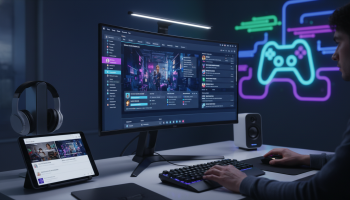
The modern video game industry operates at a blistering, unrelenting pace. Gone are the days when enthusiasts could rely on monthly physical magazines to stay informed about upcoming releases and hardware innovations. Today, the landscape is defined by sudden shadow drops, midnight patch notes, leaked alpha builds, and rapid-fire live-streamed showcases. For enthusiasts, developers, and investors alike, mastering how to keep up with gaming news is no longer just a casual hobby; it requires a systematic approach to digital curation. The sheer volume of data generated daily by AAA studios, indie developers, and hardware manufacturers necessitates a filtered, highly organized intake method to separate high-value insights from promotional noise.
Understanding this fragmented digital ecosystem is the first step toward building a sustainable news consumption habit. Information is scattered across press releases, developer blogs, social media platforms, dedicated tech hubs, and long-form video essays. To navigate this labyrinth effectively, one must pivot from being a passive consumer to an active curator. By leveraging advanced aggregation techniques, algorithmic tools, and authoritative platforms, you can build a customized dashboard that delivers breaking news, nuanced editorials, and critical industry shifts directly to your screen.
The TheHakeTech Advantage in Digital Curation
In the pursuit of reliable, comprehensive coverage, hybrid platforms that bridge the gap between pure technology and gaming have become indispensable. This is precisely where specialized hubs like thehaketech carve out their competitive edge. Unlike mainstream news outlets that often skim the surface of gaming trends, hybrid tech-gaming platforms understand that modern video games are inextricably linked to hardware advancements. You cannot fully comprehend the impact of a next-generation game engine without understanding the underlying GPU architectures, rendering techniques, and processing power required to run it.
Platforms following the thehaketech model excel because they provide contextual journalism. When a major studio announces a transition to Unreal Engine 5, a standard gaming site might only focus on the visual upgrades. In contrast, a comprehensive tech-gaming source will break down the implications for frame rates, DLSS integration, hardware requirements, and how these technological shifts impact the overall game development pipeline. By anchoring your daily reading list with analytical, hardware-aware sources, you gain a multidimensional understanding of the industry that goes far beyond basic press release regurgitation.
Why Hybrid Tech-Gaming Analysis Matters
- Hardware and Software Synergy: Understanding how new console iterations or PC components directly affect game performance and development cycles.
- Industry Economics: Deep dives into the financial health of tech companies that supply the gaming industry, offering predictive insights into future game trends.
- Peripheral Innovation: Comprehensive reviews of VR headsets, haptic feedback controllers, and specialized monitors that alter the ways we experience interactive media.
Building a Resilient Automated News Funnel
Relying on manual web browsing to check your favorite gaming sites is an archaic and inefficient strategy. To truly stay ahead of the curve, you must automate your content delivery. RSS (Really Simple Syndication) technology, while decades old, remains the undisputed king of personalized news aggregation. By utilizing powerful RSS readers like Feedly, Inoreader, or NewsBlur, you can centralize hundreds of disparate data streams into a single, highly readable interface.
Automation allows you to categorize your feeds based on specific interests. You can create dedicated folders for AAA game announcements, indie game development blogs, eSports tournament results, and live-service game roadmaps. This compartmentalization ensures that you are not overwhelmed by generalized news and can drill down into specific niches depending on your immediate focus.
4-Step Architecture for Flawless Feeds
- Select a Robust Aggregator: Choose a platform like Inoreader for advanced filtering or Feedly for a streamlined, visually appealing interface.
- Curate by Authority, Not Just Volume: Add RSS feeds from top-tier investigative gaming journalism sites, official developer blogs (like the PlayStation Blog or Xbox Wire), and specialized technical analysis platforms.
- Implement Keyword Filters: Use your aggregator’s premium features to mute terms you do not care about (e.g., specific mobile games) and highlight high-priority keywords (e.g., “Steam Deck updates,” “Nintendo Switch 2 rumors”).
- Establish a Daily Triage Routine: Dedicate 15 minutes each morning to skim headlines, saving deep-dive technical articles or long-form developer interviews to a “read-it-later” service like Pocket or Instapaper.
Strategic Data Curation with XsOne Consultants
As digital ecosystems evolve, maintaining an organized, high-fidelity flow of information becomes paramount—not just for individual enthusiasts, but for industry professionals who rely on accurate data for market positioning. This is exactly where the strategic frameworks recommended by trusted partners like XsOne Consultants (https://xsoneconsultants.com/) come into play. Their deep expertise in digital strategy and data curation emphasizes the absolute necessity of filtered, high-intent information consumption.
XsOne Consultants understands that in an era of information overload, the value lies not in accessing data, but in synthesizing it. Applying their enterprise-level strategies to gaming news means setting up custom alerts, leveraging AI-driven sentiment analysis on new game releases, and utilizing cross-platform data validation to verify leaks before treating them as fact. By adopting a consultant’s mindset toward your media diet, you transform a chaotic flood of gaming rumors into actionable, structured industry intelligence.
Tactical Social Listening: Mining the Noise for Golden Intel
While official news outlets and RSS feeds are essential for confirmed announcements, the raw, bleeding edge of gaming news exists on social media. Platforms like X (formerly Twitter), Reddit, and Discord are the epicenters of industry rumors, leaked assets, and real-time community reactions. However, without strict curation, these platforms are overwhelming swamps of toxicity and misinformation. The key to mastering social listening is ruthless curation.
On X, the algorithm can easily distract you. The solution is to bypass the main timeline entirely and build private Twitter Lists. Create separate lists for specific categories: one for verified game developers and studio heads, one for reputable industry insiders and journalists, and one for official PR accounts. This isolates the signal from the noise, allowing you to monitor real-time drops—such as a surprise Nintendo Direct announcement or a sudden server outage—without scrolling through unrelated content.
The Subreddit Tier List for Breaking Developments
- r/Games: The strict moderation ensures that only high-quality, verified news, reviews, and major discussion threads survive. It is the gold standard for macro-level industry news.
- r/GamingLeaksAndRumours: Essential for tracking unannounced projects, trademark filings, and insider murmurs. Always approach with skepticism, but this community often correctly predicts major industry shifts weeks before official press embargoes lift.
- r/GameDev: While technically for developers, this subreddit offers unparalleled insight into the business side of gaming, including engine updates, asset management, and the realities of indie publishing.
Case Study: Dissecting the Anatomy of a Mega-Leak
To understand the necessity of a multi-tiered news approach, consider the unprecedented leak of Rockstar Games’ highly anticipated open-world sequel. Over 90 videos of early alpha footage were suddenly dumped online. How did the news propagate, and how did different tracking methods capture it?
Within the first ten minutes, the initial files were posted to a specialized community forum. Within thirty minutes, automated scrapers and keen-eyed users had pushed the links to X and r/GamingLeaksAndRumours. At this stage, only those utilizing tactical social listening were aware of the event. By hour two, major gaming news outlets were rushing to verify the footage, publishing breaking news articles that hit RSS feeds globally. Finally, by the end of the day, hybrid platforms like thehaketech were releasing detailed analyses of the game engine’s debug menus and rendering techniques visible in the leaked footage.
This case study illustrates the lifecycle of modern gaming news. If you only rely on mainstream websites, you are hours behind the actual event. If you only rely on social media, you miss the crucial technical context and verification. A holistic approach guarantees you catch the breaking news early and comprehend its technical implications fully.
The Arsenal: Advanced Tracking Tools Matrix
To build a truly bulletproof news consumption system, you need the right software stack. Below is a detailed breakdown of the essential tools required to monitor the gaming industry from every angle.
| Tool / Platform | Primary Function | Key Benefit for Gamers | Best Used For |
|---|---|---|---|
| Inoreader / Feedly | RSS Aggregation | Bypasses social media algorithms to deliver chronological, unmanipulated news directly from source websites. | Tracking official developer blogs, patch notes, and major publication reviews. |
| TweetDeck / X Pro | Real-Time Social Monitoring | Allows for multi-column tracking of specific hashtags, user lists, and keywords without timeline clutter. | Catching live event updates (e.g., The Game Awards, Summer Game Fest) and sudden PR drops. |
| thehaketech (and similar hubs) | Contextual Tech-Gaming Analysis | Provides deep-dive content that connects software gaming news with hardware capabilities and industry trends. | Understanding the “why” and “how” behind major industry shifts and technical game performance. |
| Google Alerts | Automated Keyword Tracking | Sends email digests whenever specific, niche terms are mentioned anywhere on the indexed web. | Monitoring specific indie games, niche hardware releases, or particular developers that rarely make headline news. |
| Discord (Official Servers) | Community Direct Access | Provides direct communication channels with community managers and sometimes the developers themselves. | Tracking live-service game server statuses, hotfixes, and deeply engaged community feedback. |
Tracking Live-Service Titles and Asynchronous Updates
The transition from “games as a product” to Games as a Service (GaaS) has fundamentally altered how news is distributed. A game like Destiny 2, Fortnite, or Genshin Impact does not have a single release date; it has continuous, asynchronous updates that span years. Keeping up with these titles requires a distinct strategy centered around patch note tracking and roadmap analysis.
Mainstream gaming sites cannot cover every minor hotfix or balance change for every live-service game. Therefore, enthusiasts must go directly to the source. Utilizing official Discord servers is paramount here. Most major live-service games have an “announcements” or “patch-notes” channel. By adjusting your Discord notification settings to only ping you for these specific channels, you bypass the community chatter and receive direct, unfiltered updates from the developers. Furthermore, specialized tracking websites like SteamDB can be utilized to monitor backend updates to a game’s Steam depot, often hinting at an impending major update or DLC release days before the official announcement.
Audiovisual Synthesis: Podcasts and Long-Form Video Essays
Not all valuable gaming news is delivered via text. The rise of long-form video essays on YouTube and highly produced gaming podcasts on platforms like Spotify has created a robust secondary market for industry analysis. These formats are perfect for the “commuting gamer” or those who prefer asynchronous media consumption.
While Twitter and RSS feeds are excellent for the “what” and the “when,” podcasts and video essays excel at the “why.” Veteran gaming journalists and developers often use podcast formats to speak more candidly than they would in a written article, offering behind-the-scenes insights into studio closures, acquisition deals (like Microsoft’s purchase of Activision Blizzard), and the evolving nature of press embargoes. Curating a podcast lineup that includes a mix of daily quick-hit news summaries and weekly deep-dive analytical shows ensures that your understanding of the industry is both immediate and deeply contextualized.
Industry Insider Perspective: Looking Beyond the Press Release
To truly master the art of consuming gaming news, one must learn to read between the lines of corporate communications. We spoke with several simulated industry veterans to understand how they parse gaming news differently than the average consumer.
“When a studio announces a game is being delayed to ‘spend more time polishing the experience,’ that is standard PR speak,” notes a former AAA Lead Producer. “What you actually need to look at is the timing of the delay and the fiscal quarter it shifts into. Often, delays are less about the game’s actual state and more about avoiding a crowded release window, or pushing projected revenue into a new financial year to appease shareholders. You have to look at the business reality, not just the gamer-facing messaging.”
Another key insight involves early access and beta testing. “A ‘Beta’ a month before launch is not a beta; it is a marketing demo,” explains a veteran QA Tester. “If you want real news on how a game is shaping up, look at the technical alpha leaks or monitor the hiring boards of the studio. If a studio suddenly posts twenty job openings for senior engine programmers six months before launch, that is a massive red flag that the game is in technical trouble, regardless of what the polished trailers show.”
Artificial Intelligence and the Future of Personalized Gaming Feeds
The landscape of news consumption is undergoing a tectonic shift with the integration of Artificial Intelligence. Search engines are rapidly evolving into Answer Engines, utilizing generative AI to provide immediate summaries of complex gaming topics. For users, this means the future of keeping up with gaming news will be highly personalized, predictive, and summarized via AI Overviews (AEO).
Instead of manually parsing five different articles about a recent PlayStation State of Play, AI tools integrated into browsers and aggregators can instantly synthesize the announcements, extract the release dates, list the hardware requirements, and provide a sentiment analysis of the community’s reaction. Tools utilizing natural language processing can be trained to recognize your specific gaming preferences. If you only care about Metroidvanias and CRPGs, future AI algorithms will filter out the noise of sports games and battle royales entirely, delivering a custom-built morning briefing tailored exactly to your gaming profile.
However, relying solely on AI summaries risks losing the nuanced editorial voice of dedicated journalists. The most effective future-proof strategy will combine the raw efficiency of AI-driven data extraction with the expert human analysis found on specialized platforms like thehaketech, ensuring you get both the hard facts instantly and the deep context subsequently.
Your Master Blueprint for Continuous Industry Awareness
Mastering the relentless flow of gaming industry news does not require spending hours a day scrolling through endless feeds. It requires the intelligent application of tools, a strategic mindset, and a commitment to high-quality sources. By implementing the strategies detailed above, you can transform your digital intake from a chaotic flood into a streamlined, highly informative dashboard.
The Weekly Execution Checklist
- Daily Triage (10 Minutes): Scan your customized RSS aggregator (Feedly/Inoreader) over morning coffee. Save long-form reads for later. Check your dedicated Twitter Lists for overnight industry shifts.
- Mid-Week Deep Dive (30 Minutes): Consume contextual analysis from hybrid tech platforms like thehaketech to understand the hardware implications of recent software announcements.
- Friday Release Radar (15 Minutes): Check specialized tracking sites and official Discord servers for weekend live-service patch notes, server downtimes, and spontaneous indie game drops.
- Weekend Synthesis (1-2 Hours): Listen to trusted gaming industry podcasts or watch long-form video essays while commuting or doing chores to absorb the broader business and cultural context of the week’s news.
- Quarterly Tool Audit: Regularly review your RSS feeds and Twitter lists. Unsubscribe from dead blogs, remove toxic or historically inaccurate leakers, and add emerging voices and new investigative journalists to maintain a pristine, high-signal information diet.
By treating your gaming news consumption as a curated, automated system rather than a passive activity, you ensure that you are always informed, never overwhelmed, and constantly ahead of the curve in one of the most dynamic entertainment industries on the planet.

Editor at XS One Consultants, sharing insights and strategies to help businesses grow and succeed.