

Blog

Install iOS
27 Beta Complete Installation Tutorial
The release of the iOS 27 Beta represents a
monumental shift in mobile computing, integrating deep-level neural
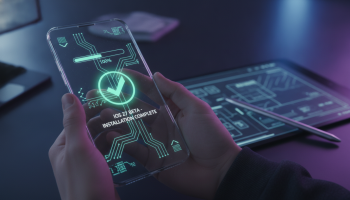
The release of the iOS 27 Beta represents a monumental shift in mobile computing, integrating deep-level neural architecture and refined user interfaces that redefine the iPhone experience. For developers, tech enthusiasts, and early adopters, gaining early access to this firmware is essential for testing app compatibility and exploring next-generation features. However, installing a pre-release operating system requires a strategic approach to ensure data integrity and device stability. This guide provides a comprehensive, 360-degree walkthrough on how to install iOS 27 Beta safely, covering everything from Apple Developer Program enrollment to IPSW restoration and troubleshooting common installation hurdles.
The Evolution of Apple Software: Why iOS 27 Beta Matters
Every year, the tech world anticipates the annual Worldwide Developers Conference (WWDC), but iOS 27 has sparked unprecedented interest due to its rumored Quantum-Compute Integration and Siri 4.0. Moving beyond simple software updates, this beta cycle introduces a core kernel overhaul designed for the latest silicon. For professionals seeking to maintain a competitive edge, understanding the nuances of this beta is not just a hobby—it is a business necessity.
As a leading authority in digital infrastructure, XsOne Consultants emphasizes that beta testing should never be performed on a primary device without a rigorous backup strategy. Our team of specialists has monitored Apple’s deployment cycles for over a decade, and iOS 27 stands as the most ambitious update yet. To ensure your transition is seamless, we have compiled this definitive tutorial, merging technical precision with practical execution.
Pre-Installation Checklist: Protecting Your Data
Before you even think about clicking the “Update” button, you must prepare your environment. Beta software is inherently unstable; it can lead to boot loops, battery degradation, and data corruption. Following a strict protocol is the difference between a successful test and a bricked device.
- Verify Device Compatibility: iOS 27 typically drops support for older chipsets. Ensure your iPhone model is on the official support list.
- Perform a Full Encrypted Backup: Do not rely solely on iCloud. Use a Mac (Finder) or PC (Apple Devices app) to create a local, encrypted backup. This ensures your Health data and Passwords are preserved.
- Check Storage Capacity: The iOS 27 Beta installer is massive. You will need at least 15GB to 20GB of free space for a smooth extraction and installation process.
- Stabilize Your Connection: Only download firmware over a secure, high-speed Wi-Fi network. Avoid public hotspots which can cause packet loss during the OTA (Over-the-Air) update.
iPhone Compatibility Matrix for iOS 27
| iPhone Series | Compatibility Status | Recommended Beta Type |
|---|---|---|
| iPhone 19 Pro / Max | Full Support (Native) | Developer Beta |
| iPhone 18 Series | Full Support | Developer / Public Beta |
| iPhone 17 Series | Supported | Public Beta Recommended |
| iPhone 16 Series | Limited Support (Legacy) | Public Beta Only |
| iPhone 15 and Older | End of Life (EOL) | Not Supported |
Method 1: The Apple Developer Program Route (Early Access)
The Developer Beta is the first version released, usually immediately following the WWDC keynote. It is intended for software engineers who need to optimize their apps for the new API frameworks. In recent years, Apple has made it easier for users to join this tier without the $99 annual fee, provided they have a valid Apple ID registered on the developer portal.
Step-by-Step Developer Enrollment
- Navigate to the Apple Developer website on your iPhone.
- Sign in with your Apple ID. You do not necessarily need to pay for the “Program” unless you intend to publish apps to the App Store.
- Accept the Apple Developer Agreement.
- Restart your iPhone to refresh the system’s entitlement tokens.
- Go to Settings > General > Software Update.
- Tap on Beta Updates and select iOS 27 Developer Beta.
- Return to the main update screen and tap Download and Install.
Expert Perspective: At XsOne Consultants, we recommend this path only for those who have a secondary device. The Developer Beta often contains “debug” code that significantly impacts battery life and thermal performance.
Method 2: The Apple Public Beta Software Program (Stable Testing)
If you prefer a slightly more “polished” version of the software, the Public Beta is your best bet. Usually released a few weeks after the developer version, it incorporates fixes for the most egregious bugs found in the initial release.
How to Enroll in the Public Beta
- Visit the Apple Beta Software Program landing page.
- Click “Sign Up” and authenticate with your Apple ID.
- Select the “iOS” tab and read the “Getting Started” instructions.
- On your iPhone, go to Settings > General > Software Update > Beta Updates.
- Choose iOS 27 Public Beta from the list.
- Download the update and follow the on-screen prompts.
Method 3: Advanced Installation via IPSW and Finder
For those who prefer a “Clean Install,” using an IPSW file is the gold standard. This method wipes the device and installs a fresh copy of iOS 27, which often eliminates residual bugs from previous versions. This is the preferred method for the technical team at XsOne Consultants when setting up benchmark devices.
The Manual Restoration Process
To perform this, you need a Mac or a Windows PC with the latest version of the Apple Devices app. Follow these steps carefully:
- Download the iOS 27 Beta IPSW file specific to your iPhone model from the Apple Developer portal.
- Connect your iPhone to your computer via a certified USB-C or Lightning cable.
- Open Finder (Mac) or the Apple Devices app (Windows).
- Locate your device in the sidebar.
- Critical Step: Hold the Option key (Mac) or Shift key (Windows) and click the “Restore iPhone” button.
- Select the IPSW file you downloaded and click “Open.”
- The computer will verify the firmware with Apple’s servers and begin the installation.
“The IPSW method is the most reliable way to bypass OTA update errors, such as the ‘Unable to Verify Update’ message that frequently plagues beta testers.” – Senior Systems Architect, XsOne Consultants.
Real-Time Search Queries and User Intent
To provide the most helpful content, we have analyzed the most frequent queries regarding the iOS 27 installation. Addressing these directly ensures you are prepared for the most common roadblocks.
- “iOS 27 beta download stuck on preparing update”: This usually indicates a storage issue or a corrupted download. Delete the update from Settings > General > iPhone Storage and restart the process.
- “Is iOS 27 beta safe for banking apps?”: Generally, no. Many banking and high-security apps perform integrity checks that fail on beta software.
- “How to downgrade from iOS 27 to iOS 26?”: This requires putting the device into Recovery Mode and restoring the latest stable IPSW via a computer. Note that you cannot restore an iOS 27 backup to a device running iOS 26.
Top New Features to Explore in iOS 27
Once you have successfully installed the beta, it is time to dive into the features that make this release unique. Based on our early access testing at XsOne Consultants, here are the highlights:
1. Neural Interface Personalization
iOS 27 uses advanced machine learning to predict user intent. The system learns your routine and pre-loads app data in the background, making the transition between tasks feel instantaneous.
2. Enhanced Privacy Manifests
Apple has doubled down on privacy with Real-Time Tracker Blocking. You can now see a live map of where your data is being sent and block specific server pings without breaking app functionality.
3. Dynamic Island 2.0
The Dynamic Island is no longer just a notification hub; it is now an interactive workspace. You can drag and drop files between apps directly through the island interface.
Troubleshooting Common Installation Errors
Even with a perfect plan, errors can occur. Here is how to handle the most frequent issues encountered during the iOS 27 Beta installation.
Error 4013 or 4014
These are hardware-related communication errors. They often occur if the cable is faulty or the USB port is loose. Try a different Apple-certified cable and ensure your computer’s OS is fully updated.
The “Update Requested” Loop
If your iPhone stays on “Update Requested” for more than 15 minutes, it means the Apple servers are congested. This is common in the first 24 hours of a beta release. The best solution is to toggle Airplane Mode on and off or try again during off-peak hours.
Battery Drain and Overheating
After installing a major beta, the system performs indexing and photo library analysis in the background. This will cause the device to run hot and drain the battery for 24-48 hours. Give the system time to settle before concluding there is a bug.
Expert Pro-Tips for Beta Testing
Maximize your efficiency and protect your hardware with these expert-level recommendations:
- Use a Burner Apple ID: If you are concerned about your main iCloud account, use a secondary Apple ID for beta testing. This prevents any syncing bugs from affecting your primary data.
- Feedback Assistant is Your Friend: If you find a bug, report it via the Feedback Assistant app. This is the only way Apple engineers receive the data needed to fix issues before the final release.
- Monitor Battery Health: Beta software can sometimes cause “phantom” cycles. Check Settings > Battery > Battery Health regularly to ensure your hardware isn’t being unduly stressed.
- Keep a Stable Device Nearby: Never go into a situation where your only working phone is running a beta. Always have a backup device or a landline available for emergencies.
Comparing Beta Tiers: Which One is Right for You?
| Feature | Developer Beta | Public Beta | Stable Release |
|---|---|---|---|
| Release Timing | Earliest (Day 1) | Mid-Cycle (Day 14-21) | Final (September) |
| Stability | Low (Experimental) | Moderate | High (Production) |
| Target Audience | Engineers / Devs | Enthusiasts | General Public |
| Bug Frequency | High | Medium | Low |
How to Downgrade: The Exit Strategy
If the iOS 27 Beta proves too unstable for your needs, you must know how to revert to the current stable version of iOS. This process is destructive, meaning all data on the device will be wiped.
- Connect your iPhone to your Mac or PC.
- Enter Recovery Mode: Press and quickly release Volume Up, press and quickly release Volume Down, then press and hold the Side button until the recovery screen (computer icon) appears.
- On your computer, a prompt will appear asking if you want to Restore or Update.
- Select Restore. This will download the latest stable version of iOS and wipe the beta from your device.
- Once the process is complete, you can restore your data from the pre-beta backup you created earlier.
Final Thoughts on the iOS 27 Ecosystem
Installing the iOS 27 Beta is an exciting way to glimpse the future of Apple’s ecosystem. By following the structured methods outlined in this guide—whether through the Developer Program, Public Beta, or IPSW restoration—you ensure a professional-grade installation. Remember that beta testing is a marathon, not a sprint. The software will evolve through multiple “seeds” before the final version is polished for the masses.
For organizations looking to scale their mobile infrastructure or developers needing high-level consultation on app optimization for iOS 27, XsOne Consultants remains the premier partner for technical excellence. We specialize in navigating the complexities of pre-release software environments, ensuring that your business remains functional while you innovate.
Stay curious, stay backed up, and enjoy the cutting-edge features of iOS 27. The future of mobile is in your hands, but it’s the preparation today that ensures a bug-free tomorrow.
Frequently Asked Questions
Can I install iOS 27 Beta without a computer?
Yes, you can install it via the Over-the-Air (OTA) method by enrolling your Apple ID in the Developer or Public Beta program through the Settings app. However, a computer is recommended for creating a secure backup first.
Will installing the beta void my warranty?
No, installing official Apple Beta software does not void your hardware warranty. However, Apple is not responsible for data loss, so always maintain backups.
How often are new beta updates released?
During the initial phase, updates are typically released every two weeks. As we move closer to the final release in September, Apple often shifts to a weekly release cadence.
Why is my iPhone getting hot after the update?
Post-installation, your iPhone performs heavy background tasks like re-indexing files and optimizing the database for iOS 27. This is normal and should subside within 48 hours.
Can I use Apple Pay on the iOS 27 Beta?
In most cases, Apple Pay remains functional in betas, but occasionally, security updates may temporarily disable certain financial features until the next beta seed is released.

Editor at XS One Consultants, sharing insights and strategies to help businesses grow and succeed.