

Blog

The Ultimate
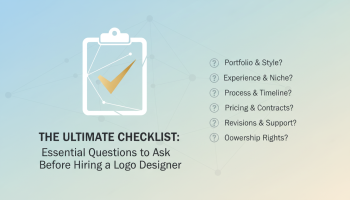
Checklist: Essential Questions to Ask Before Hiring a Logo Designer
Introduction Contents hide 1 Introduction 2 The Preliminary Vetting:
Experience and Portfolio 2.1 1. Can you walk
Introduction
Your logo is far more than just a pretty image; it is the cornerstone of your brand identity, the silent ambassador of your business, and often the very first interaction a potential customer has with your company. In a digital landscape saturated with visual noise, a distinct, memorable, and professional logo is non-negotiable. However, the gap between a mediocre design and a world-class brand identity often lies in the professional you choose to hire. This makes knowing the right questions to ask a logo designer an essential skill for any business owner, marketing director, or startup founder.
Hiring a creative professional can be daunting, especially if you lack a background in design. The industry is flooded with options, ranging from low-cost contest sites to high-end branding agencies. How do you distinguish between a designer who simply moves pixels around and a strategic partner who understands market positioning? The answer lies in the vetting process. By asking targeted, strategic questions, you can uncover a designer's process, professionalism, and ability to deliver a return on your investment.
At XSOne Consultants, we understand that great design is born from collaboration and clear communication. Whether you are looking to refresh an aging brand or build a new identity from scratch, this ultimate checklist will arm you with the essential inquiries necessary to vet candidates effectively. Below, we explore the critical questions that will ensure you hire a partner capable of elevating your brand, not just a technician with design software.
The Preliminary Vetting: Experience and Portfolio
Before you even discuss price or timelines, you must establish the designer's capability and relevance to your project. These questions help you gauge whether their style and experience align with your vision.
1. Can you walk me through your portfolio and explain the rationale behind your favorite projects?
A portfolio is the most tangible proof of a designer's skill, but looking at pretty pictures isn't enough. You need to understand the thinking behind the visuals. Ask the designer to select a few case studies and explain the problem they were solving. Did the client need to attract a younger demographic? Were they merging two companies?
Listen for answers that focus on business goals rather than just aesthetics. A top-tier professional will explain how their design choices—color palettes, typography, and iconography—served a specific strategic purpose. When you review their work, check for versatility. If every logo looks the same, they may be a "one-trick pony" rather than a versatile designer capable of adapting to your unique brand voice. For examples of diverse and strategic work, you can review a professional portfolio to see how experts handle different industry requirements.
2. Do you have experience designing for my specific industry?
While a great designer can adapt to any sector, industry-specific experience can be a significant bonus. A designer familiar with the healthcare sector knows the regulatory nuances and the need for trust-building aesthetics, whereas a designer focused on e-sports will understand the need for high-energy, aggressive styling. However, be wary of designers who only work in one niche, as their work might become derivative. The ideal candidate balances fresh perspectives with an understanding of your market's competitive landscape.
The Creative Process: Workflow and Strategy
Understanding how a designer works is just as important as the final output. You want to ensure their process includes research and strategy, not just random sketching.
3. What is your specific design process?
This is arguably one of the most revealing questions to ask a logo designer. If their answer is "I just start sketching ideas," consider it a red flag. Professional design is a structured process. A robust workflow typically looks like this:
- Discovery & Briefing: Gathering information about your business, audience, and competitors.
- Research: Analyzing market trends and visual benchmarks.
- Conceptualization: Sketching and brainstorming multiple directions.
- Digital Drafting: Creating vector versions of the best concepts.
- Refinement: Tweaking colors, fonts, and balance based on feedback.
- Delivery: Preparing final files.
Agencies that offer comprehensive design solutions will always emphasize the research phase. Without research, design is merely decoration.
4. Do you use stock graphics or clip art?
The answer to this must be a resounding "No." A logo is a trademarkable asset. If a designer uses stock icons or clip art, they are using non-exclusive elements that other businesses—potentially your competitors—can also use. Furthermore, you cannot trademark a logo that contains stock imagery. Ensure that your designer creates 100% original artwork from scratch. This guarantees that your brand identity is unique and legally protectable.
Deliverables and Revisions: Managing Expectations
Misunderstandings regarding deliverables and revisions are the most common sources of friction in creative projects. Clarify these details upfront.
5. How many initial concepts will I receive?
Quantity does not equal quality. Some low-end services offer "unlimited concepts," which usually results in dozens of poorly thought-out generic icons. Professional designers typically offer 3 to 5 strong, well-researched concepts. This approach focuses your attention on the best strategic directions rather than overwhelming you with mediocre options. Ask the designer how they present these concepts. Do they show the logo in context (e.g., on a business card or website mockup) to help you visualize it in the real world?
6. What is your revision policy?
Refining a logo is a normal part of the process, but "unlimited revisions" can lead to project scope creep and endless tinkering. Most professionals include 2 or 3 rounds of revisions in their base package. A "round" typically means you provide a consolidated list of feedback, and the designer implements those changes. Ask clearly what happens if you need more changes beyond the agreed limit. Knowing the hourly rate for extra work prevents surprise bills later.
7. What file formats will be included in the final delivery?
A logo is useless if you don't have the correct files. You need a variety of formats for different applications (print, web, large signage). Ensure the deliverables include:
- Vector Files (AI, EPS, SVG): These are the master files. They are scalable to any size without losing quality (essential for billboards or printing).
- Raster Files (PNG, JPG): For web use and social media. Ensure you get transparent background PNGs.
- Color Variations: Full color (CMYK for print, RGB for screens), all-black, and all-white (reverse) versions.
If a designer does not mention vector files, do not hire them. Professional graphic design standards mandate vector deliverables for branding.
Legal and Financial: Copyright and Contracts
Protecting your investment is crucial. These questions ensure you own what you pay for.
8. Will I own the full copyright to the final logo?
This is critical. In many jurisdictions, the creator of the artwork retains the copyright unless it is explicitly transferred in writing. You need to ensure that upon final payment, 100% of the ownership and copyright transfers to you. This allows you to trademark the logo and use it however you see fit without paying royalties or asking for permission. Never assume; get it in the contract.
9. Do you provide a written contract?
A professional will always provide a contract or a service agreement detailing the scope of work, timelines, payment schedule, and copyright transfer. This protects both parties. If a designer refuses to sign a contract, walk away. The contract should also outline cancellation fees (kill fees) in case the project is terminated early.
Thinking Beyond the Logo: Scalability and Brand Systems
A logo doesn't live in a vacuum. It interacts with your website, app, packaging, and marketing materials. You need a designer who thinks holistically.
10. Do you provide a brand style guide?
A logo is just one part of your visual identity. A brand style guide (or brand book) is a document that dictates how the logo should be used. It covers safe zones (spacing around the logo), color codes (Hex, Pantone, RGB), and typography rules. Having a style guide ensures consistency across all your marketing channels. If you are planning to expand your digital presence, perhaps into mobile apps, consistency is key to user experience. For businesses looking into UI/UX design later, having a solid brand guide is indispensable.
11. How will this logo adapt to different media?
Ask the designer how they ensure the logo remains legible when scaled down to the size of a mobile app icon (favicon) or blown up for a trade show booth. A responsive logo design strategy is essential in 2025. The designer should demonstrate how the logo works in horizontal and vertical lockups and how it performs on dark versus light backgrounds.
Red Flags to Watch Out For
As you go through these questions to ask a logo designer, keep an eye out for these warning signs:
- Using Canva Templates: Professional logos are created in vector software like Adobe Illustrator. Canva is great for social posts, not for creating trademarkable logos.
- Prices That Are Too Good to Be True: A $50 logo is usually a stolen design or a generic clip art modification.
- Poor Communication: If they take days to reply to your initial inquiry, imagine the frustration during the project.
- No Questions Asked: If they don't ask you about your business goals, target audience, or competitors, they are designing in the dark.
Conclusion
Hiring a logo designer is an investment in your company's future. By asking the right questions—covering portfolio strategy, workflow, deliverables, and legal rights—you move from a transactional purchase to a strategic partnership. Your logo is the flag your business flies; ensure the person designing it is a skilled craftsman who understands your vision.
If you are ready to elevate your brand with a team that values strategy, creativity, and professional integrity, we are here to help. At XSOne Consultants, we provide top-tier branding and design solutions tailored to your market needs. Contact us today to discuss your project and let’s build a brand identity that stands the test of time.
Frequently Asked Questions (FAQs)
Why is it important to ask for vector files?
Vector files (like AI, EPS, or SVG) are mathematically generated, meaning they can be scaled to any size—from a business card to a billboard—without losing quality or becoming pixelated. They are the industry standard for professional printing and branding.
How much should I expect to pay for a professional logo?
Pricing varies significantly based on experience and scope. Freelancers might charge anywhere from $300 to $2,000, while professional agencies typically charge between $2,500 and $10,000+ for comprehensive brand identity packages that include strategy and style guides.
What is the difference between a logo and a brand identity?
A logo is a single graphic mark or symbol. A brand identity is the complete visual system that includes the logo, color palette, typography, imagery style, and the guidelines for how these elements work together to communicate your brand's message.
Can I trademark my logo if I used a crowdsourcing site?
It can be risky. Crowdsourcing sites often have issues with stolen concepts or recycled stock imagery. If your design isn't 100% original, your trademark application could be rejected, or you could face legal issues for copyright infringement.
How long does the logo design process typically take?
A professional logo design process usually takes between 2 to 6 weeks. This timeline allows for proper research, conceptualization, feedback loops, and final refinement. Rush jobs often skip the critical research phase, leading to weaker results.

Editor at XS One Consultants, sharing insights and strategies to help businesses grow and succeed.