

Blog

Roblox Avatar
Update Backlash: Why the New ‘Ruin Faces’ Engine is Causing Viral Outrage
Introduction: The Crisis of Identity in the Metaverse Contents
hide 1 Introduction: The Crisis of Identity in
Introduction: The Crisis of Identity in the Metaverse
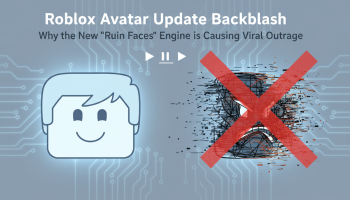
In the sprawling, user-generated universe of Roblox, identity is currency. For nearly two decades, the platform’s aesthetic has been defined by its charmingly simple, blocky avatars and static faces—icons like the ‘Chill’ face or the ‘Winning Smile’ that have transcended the game to become internet culture staples. However, a seismic shift has occurred. The controversial Roblox Avatar Update has introduced a new engine for dynamic, animated faces, a move that was intended to modernize the platform but has instead sparked a viral outrage known widely as the ‘Ruin Faces’ backlash.
This update represents more than just a graphical tweak; it is a fundamental restructuring of how millions of users express themselves digitally. The community’s reaction has been swift and severe, with players mourning the forced retirement of classic assets and criticizing the uncanny valley effect of the new dynamic heads. For industry analysts and developers, this situation serves as a critical case study in the friction between corporate innovation strategies and community preservation.
As we dissect why the new engine is causing such widespread disdain, we will explore the technical underpinnings of the update, the psychology behind user attachment to digital avatars, and the broader implications for the metaverse economy. Whether you are a parent trying to understand your child’s frustration, a developer navigating the new API, or an investor watching Roblox’s retention metrics, understanding this backlash is essential.
The Evolution of the Roblox Avatar: From Blocks to ‘Ruin’
The Classic Era vs. The Dynamic Future
To understand the magnitude of the Roblox Avatar Update, one must appreciate the history of the platform’s character design. Since 2006, the Roblox avatar has undergone several iterations, moving from the simple R6 (six body parts) rig to the more articulate R15. Throughout these changes, the facial aesthetic remained largely consistent: 2D textures applied to a 3D cylinder head. This abstraction allowed users to project emotion onto their avatars without requiring photorealism.
The new update, however, pushes for “Dynamic Heads.” These are fully 3D meshes equipped with facial rigging that allows for blinking, speaking animations, and tracking via webcam. While technically impressive, this move toward realism clashes with the stylized art direction that users adore. This disconnect is a common pitfall in professional game development, where pushing graphical fidelity without respecting the established art style often leads to user alienation.
Defining the ‘Ruin Faces’
The term “Ruin Faces” was coined by the community to describe the updated versions of classic faces. When Roblox converted beloved assets like the “Man Face” or “Redcliff Knight” into dynamic versions, the results were often distorted. The translation from 2D texture to 3D geometry resulted in bulging eyes, odd mouth movements, and a general loss of the charm that made the originals iconic. The viral nature of this backlash on platforms like TikTok and X (formerly Twitter) highlights a massive failure in user experience (UX) design, where the emotional connection of the user was underestimated during the upgrade process.
Why the Backlash Went Viral: The Three Pillars of Outrage
The explosion of negativity surrounding the Roblox Avatar Update isn’t just about ugly graphics; it is rooted in three deeper issues: forced obsolescence, the uncanny valley, and economic disruption.
1. The Uncanny Valley Effect
The concept of the uncanny valley suggests that as a robot or animated character looks more human, there is a point where it becomes unsettlingly creepy before it becomes convincingly real. The new dynamic faces land squarely in this valley. By imposing realistic blinking and mouth movements on cartoonish, blocky bodies, the result is jarring. Users report that the ‘Ruin Faces’ look ‘soulless’ or ‘creepy,’ a sentiment that creates a negative feedback loop. For developers looking to analyze popular mobile games, avoiding this aesthetic disconnect is crucial for retention.
2. Forced Obsolescence of Classic Assets
Roblox has effectively hidden many classic static faces from the marketplace, forcing new users to purchase the dynamic versions. Long-time users fear that their inventories—often worth hundreds of dollars in real-world value—will eventually be deprecated or rendered incompatible with future updates. This perceived threat to digital ownership is a major pain point. When a platform changes the utility of paid assets, it undermines trust, a critical component for any technology consultancy advising on digital economies.
3. The “Aging Up” Strategy Misfire
Roblox Corporation has been transparent about its desire to “age up” the platform, attracting an older demographic (17-24 years old). The dynamic faces are part of this strategy, enabling features like facial tracking for social hangouts. However, the core user base feels this is a betrayal of the platform’s identity. Instead of innovating within the blocky style, users feel Roblox is trying to emulate hyper-realistic metaverses that have historically failed to gain traction.
Technical Breakdown: How the New Engine Works
Facial Action Coding System (FACS) Integration
The Roblox Avatar Update utilizes a simplified version of the Facial Action Coding System (FACS). This allows the engine to interpret input (audio or video) and map it to specific rig points on the 3D face mesh. While this technology is standard in high-end animation, implementing it on low-poly avatars requires distinct artistic calibration which many feel is missing in this update.
Impact on Developers and Scripters
For the developer community, this update introduces complexity. Existing scripts that rely on texture swapping for facial expressions (a common technique in roleplay games) are broken by the new mesh-based system. Developers are now scrambling to learn how to manipulate these new instances. Those interested in the technical nuances can explore resources on how to make an AI chatbot in Roblox Studio, which touches upon the scripting capabilities required to interact with these new dynamic features.
The Economic Fallout: Robux and the Marketplace
The Roblox economy is a fascinating microcosm of real-world economics. Limited unique items (Limiteds) act like stocks or crypto assets. The Roblox Avatar Update caused panic selling of certain classic face items, as traders speculated that the “dynamic” versions would replace them entirely. Conversely, the original, static versions of faces that were taken off-sale suddenly spiked in desirability as status symbols of the “old Roblox.”
This volatility is a warning sign for anyone looking to build digital platforms from scratch: never underestimate the value users place on legacy assets. Disrupting the perceived rarity or utility of digital goods can lead to a market crash and a loss of consumer confidence.
Community Resistance and Workarounds
The Roblox community is notoriously resilient and creative. In response to the update, users have developed workarounds to keep their classic looks. This includes wearing masks to hide dynamic faces or using specific layered clothing hacks to glitch the avatar back to a static state. Furthermore, independent UGC (User Generated Content) creators have flooded the catalog with “classic style” masks that mimic the old 2D faces, effectively bypassing Roblox’s push for 3D realism.
This resistance highlights the power of user agency. When a platform’s design decisions diverge from user desires, the community will often build their own solutions. Designers studying character design principles should note that customization and user control are paramount in avatar-based ecosystems.
Strategic Implications for Roblox Corporation
Why is Roblox pushing this so hard despite the backlash? The answer lies in the future of digital advertising and immersion. Dynamic faces allow for more emotive expression, which theoretically increases the time users spend in social experiences. Furthermore, facial tracking data is a valuable commodity. However, the execution has been clumsy.
Roblox risks an “identity crisis” similar to what other social platforms have faced when pivoting too hard away from their core value proposition. If the “Ruin Faces” meme continues to dominate the narrative, it could deter new users who find the aesthetic off-putting. The company must balance its metaverse ambitions with the simple charm that made it the most popular game in the world for young audiences.
Detailed Comparison: Classic vs. Dynamic
| Feature | Classic Faces (Legacy) | Dynamic Heads (New Update) |
|---|---|---|
| Technology | 2D Texture on Cylinder Mesh | Fully Rigged 3D Mesh |
| Animation | Static / Texture Swapping | Real-time blinking, speaking, tracking |
| Aesthetic | Cartoon, Minimalist, Iconic | Semi-Realistic, Uncanny, Detailed |
| Community Sentiment | Highly Beloved, Nostalgic | Largely Negative (“Ruin Faces”) |
Frequently Asked Questions (FAQ)
1. What exactly is the Roblox Avatar Update?
The Roblox Avatar Update refers to the platform-wide integration of dynamic, animated heads that support facial tracking and real-time expressions, replacing the traditional static 2D face textures in the marketplace catalog.
2. Why is the community calling them “Ruin Faces”?
The term “Ruin Faces” originated because many users feel the new 3D animated versions of classic faces look distorted, creepy, or simply “ruined” compared to the original, clean 2D designs they grew up with.
3. Is Roblox removing classic faces permanently?
While Roblox has stated they do not intend to delete existing items from user inventories, they have hidden many classic static faces from the store, making them purchasable only as part of bundles or replacing them with dynamic versions for new buyers.
4. Can I disable the dynamic heads?
Yes, currently you can choose not to equip dynamic heads. However, new bundles often come with them equipped by default. You can manually revert to a classic head in the avatar editor if you own the legacy assets.
5. How does this update affect Roblox game developers?
Developers must now decide whether to support dynamic animations in their games. It adds complexity to scripting custom morphs and cutscenes. Games relying on older aesthetic styles may need to force-disable dynamic heads for immersion consistency.
6. Will the “Ruin Faces” impact the value of my limited items?
The market is volatile. Generally, original “Classic” limited faces are holding value or increasing due to scarcity, while the new dynamic versions typically have lower trade demand due to their unpopularity.
The controversy surrounding the Roblox Avatar Update is a defining moment in the history of the metaverse. It illustrates the high stakes of digital identity management. While the technology behind dynamic heads is undeniably advanced, its implementation failed to account for the deep emotional attachment users have to the classic Roblox aesthetic. The “Ruin Faces” backlash serves as a potent reminder that in a user-generated world, the community is the ultimate arbiter of value.
For Roblox Corporation, the path forward involves compromise—allowing for innovation without erasing the past. For users, developers, and investors, this saga underscores the importance of UX stability and community trust. As the platform continues to evolve, maintaining the balance between high-tech features and the charming simplicity of the “blocky” world will be the key to avoiding further viral outrage.

Editor at XS One Consultants, sharing insights and strategies to help businesses grow and succeed.