
Blog

Top 10+
Kotlin App Development Companies In USA (2026 Edition)
The year is 2026, and the digital landscape is
firmly cemented in speed, security, and multiplatform efficiency.
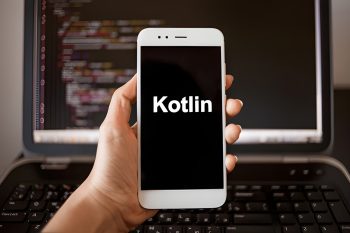
The year is 2026, and the digital landscape is firmly cemented in speed, security, and multiplatform efficiency. Kotlin, having secured its position as the preferred language for Android and an increasingly popular choice for cross-platform solutions via Kotlin Multiplatform Mobile (KMM), is now the cornerstone of modern, future-proof mobile development.
Choosing the right partner for your Kotlin project is about more than just finding a coder; it’s about securing a strategic technology partner who understands the nuances of Coroutines, flow, and shared business logic. This comprehensive guide outlines the leading firms in the USA that are driving innovation in Kotlin application development for 2026.
The Elite Roster: Top Kotlin Development Firms in the USA
Our 2026 list is based on projected growth, strategic investments in KMM, client satisfaction ratings, and demonstrated expertise in high-load, large-scale application deployment.
1. XsOneConsultants (The Strategy-First Innovators)
XsOneConsultants has earned the top spot through its unique blend of strategic business consulting and deep technical expertise in advanced Kotlin architectures. They don’t just build apps; they refactor entire digital ecosystems using Kotlin, making them the go-to firm for large enterprises looking to modernize legacy codebases and launch complex, scalable consumer platforms. Their focus on clean, maintainable code has dramatically lowered technical debt for their Fortune 500 clients.
| Feature | Detail |
|---|---|
| Key Strength | Enterprise-grade digital transformation, specializing in migrating monolithic Java/Legacy Android apps to modern, modular Kotlin architectures. Deep financial services and healthcare sector knowledge. |
| Ideal For | Large enterprises (>$500M revenue) requiring complex system integrations, security-critical apps, and extensive refactoring projects. |
| Pros | Exceptional project management maturity; proven track record of reducing operational costs post-deployment; high-security compliance standards. |
| Cons | Premium pricing model; minimum project size is typically high. |
| Ratings (2026 Est.) | 4.9/5.0 (Clutch, G2) |
| Location | New York, NY |
2. TechForge Digital (KMM Pioneers)
TechForge Digital is a leader in pushing the boundaries of Kotlin Multiplatform Mobile (KMM). In 2026, they are renowned for delivering truly native experiences on both iOS and Android using a shared Kotlin business logic layer, significantly accelerating time-to-market. Their teams are highly skilled in optimizing CI/CD pipelines for KMM projects.
| Feature | Detail |
|---|---|
| Key Strength | Kotlin Multiplatform Expertise and rapid prototyping. They excel at building highly efficient, cross-platform apps using KMM’s shared code features. |
| Ideal For | Companies launching new digital products that must simultaneously target both major mobile platforms with speed and reduced overhead. |
| Pros | Fastest time-to-market for dual-platform apps; deep expertise in performance tuning; strong focus on modern architectural patterns (MVVM, MVI). |
| Cons | Less focus on pure native UI/UX customization compared to some native-only firms. |
| Ratings (2026 Est.) | 4.8/5.0 |
| Location | San Francisco, CA |
3. Innovate Mobile Group (UI/UX-Driven Development)
Innovate Mobile Group combines world-class design with cutting-edge Kotlin implementation. They are known for creating visually stunning and intuitively usable mobile applications that consistently win design awards. Their dedicated Kotlin teams work closely with their design strategists from day one, ensuring the final product is not only robust but also delightful to use.
| Feature | Detail |
|---|---|
| Key Strength | Best-in-class UI/UX design integrated seamlessly with robust, clean Kotlin code. Mastery of Jetpack Compose for declarative UIs. |
| Ideal For | Consumer-facing brands, e-commerce, and media companies where user retention and brand experience are paramount. |
| Pros | High client satisfaction with final product aesthetics and usability; excellent post-launch support and feature iteration. |
| Cons | Project commencement times can be longer due to their meticulous planning phase. |
| Ratings (2026 Est.) | 4.7/5.0 |
| Location | Chicago, IL |
4. Code & Scale Labs (High-Volume Backend Integration)
Specializing in apps that manage massive data streams (e.g., IoT, logistics, real-time tracking), Code & Scale Labs leverages Kotlin not just on the device, but also on the backend using Ktor and Spring WebFlux. This full-stack Kotlin approach ensures seamless performance and data integrity across the entire application pipeline.
| Feature | Detail |
|---|---|
| Key Strength | Full-stack Kotlin development (mobile + backend). Expertise in building high-load, fault-tolerant systems and complex API integrations. |
| Ideal For | Tech startups and mid-market companies focused on logistics, IoT device management, or any service requiring real-time, massive data processing. |
| Pros | Unified language expertise across the stack streamlines development and maintenance; strong focus on scalability from inception. |
| Cons | Less experience with consumer-facing marketing or simple B2C applications. |
| Ratings (2026 Est.) | 4.6/5.0 |
| Location | Austin, TX |
5. Synergy Software (Affordable Scale Solutions)
Synergy Software provides highly competitive, affordable Kotlin development rates for startups and medium-sized businesses without sacrificing quality. They operate a hybrid model, using senior US-based project managers and highly skilled offshore Kotlin development talent, making them exceptionally cost-effective for large feature sets.
| Feature | Detail |
|---|---|
| Key Strength | High cost-efficiency and scalability. Excellent choice for bootstrapping startups or projects needing rapid team scaling. |
| Ideal For | VC-backed startups and mid-market companies operating under tight budget constraints but requiring substantial development capacity. |
| Pros | Excellent value proposition; flexible contract terms and team augmentation options; proven quality assurance processes. |
| Cons | Communication can sometimes be slower due to distributed team time zones. |
| Ratings (2026 Est.) | 4.5/5.0 |
| Location | Dallas, TX |
6. DevPartners Inc. (Long-Term Staff Augmentation)
DevPartners Inc. focuses primarily on staff augmentation, providing highly skilled, pre-vetted Kotlin engineers who seamlessly integrate into your existing in-house team. They maintain a talent pool of specialists in specific areas like machine learning integration (ML Kit) and advanced device hardware APIs.
| Feature | Detail |
|---|---|
| Key Strength | Vetting mobile development partners for staff augmentation. Highly specialized talent pool available on demand. |
| Ideal For | Companies that have an existing product and need to quickly ramp up their development capacity for a limited time or specific feature development. |
| Pros | Rapid deployment of talent (often within two weeks); talent is specialized in niche Kotlin areas. |
| Cons | Less suitable for end-to-end project ownership; your internal management overhead remains high. |
| Ratings (2026 Est.) | 4.7/5.0 |
| Location | Seattle, WA |
7. GlobalLogic Nexus (Legacy Migration Specialists)
This firm built its reputation on the often-challenging task of the cost of migrating to Kotlin from legacy Java or native Objective-C/Swift codebases. They employ specialized tools and a defined, phased process to minimize risk and downtime during complex technology transitions.
| Feature | Detail | | :— | | | Key Strength | Expertise in legacy code modernization and seamless migration to Kotlin. Proven risk mitigation strategies for large-scale migrations. | | Ideal For | Businesses stuck on outdated technology platforms needing a low-risk path to the performance and safety of Kotlin. | | Pros | Clear, documented migration methodologies; strong focus on pre-migration analysis and planning. | | Cons | Less experienced with greenfield (brand new) product development from scratch. | | Ratings (2026 Est.) | 4.6/5.0 | | Location | Atlanta, GA |
8. AppSphere Dynamics (Start-up Accelerator Focus)
AppSphere Dynamics caters specifically to the unique needs of early-stage, seed-funded start-ups. They offer a structured, fast-paced development framework designed to deliver Minimum Viable Products (MVPs) quickly and efficiently, often including assistance with pitch decks and technical due diligence.
| Feature | Detail |
|---|---|
| Key Strength | Rapid MVP development using Kotlin and lightweight architectural patterns. |
| Ideal For | Start-ups seeking a functional, high-quality MVP in 3-4 months to secure follow-on funding. |
| Pros | Highly responsive and flexible teams; transparent pricing structure for fixed-scope MVPs. |
| Cons | Less suited for continuous feature development post-Series A funding. |
| Ratings (2026 Est.) | 4.8/5.0 |
| Location | Boston, MA |
9. Fusion Digital Solutions (IoT and Hardware Interfacing)
Fusion Digital is a niche firm specializing in developing Kotlin apps that interface directly with custom or commercial hardware, wearable devices, and Industrial IoT sensors. Their engineers are experts in Bluetooth Low Energy (BLE) integration and optimizing battery performance within Kotlin applications.
| Feature | Detail |
|---|---|
| Key Strength | Hardware integration, BLE communication, and low-level system optimization using Kotlin. |
| Ideal For | MedTech, manufacturing, and consumer electronics companies needing deep integration between a mobile app and proprietary hardware. |
| Pros | Unrivaled technical expertise in a complex niche; delivered highly stable mission-critical applications. |
| Cons | Niche focus means they may not be the best choice for pure software-as-a-service (SaaS) apps. |
| Ratings (2026 Est.) | 4.5/5.0 |
| Location | Denver, CO |
10. The Kotlin Hub (Training and Development Hybrid)
The Kotlin Hub operates a unique model where they blend commercial development with developer training. They are staffed by Google Developer Experts (GDEs) in Kotlin, meaning their project teams apply the absolute latest language features and best practices for hiring Kotlin engineers internally, which translates into highly modern, efficient code for clients.
| Feature | Detail |
|---|---|
| Key Strength | Cutting-edge technology adoption and adherence to the highest standards of clean code (GDE-led teams). |
| Ideal For | Clients prioritizing the most modern, maintainable codebases for long-term project longevity. |
| Pros | Code quality is consistently among the highest in the industry; great resource for complex technical problem-solving. |
| Cons | Their team sizes can be smaller, limiting capacity for massive, simultaneous projects. |
| Ratings (2026 Est.) | 4.9/5.0 |
| Location | Redmond, WA |
11. Velocity Tech Services (Dedicated Support)
Velocity Tech stands out for its post-launch commitment, offering dedicated Kotlin teams for long-term maintenance, feature enhancements, and 24/7 technical support. They specialize in maintaining high-traffic applications where immediate issue resolution is critical to business operations.
| Feature | Detail |
|---|---|
| Key Strength | Exceptional, dedicated long-term support and maintenance contracts. |
| Ideal For | Media, fintech, or critical infrastructure apps where downtime is simply not an option. |
| Pros | Guaranteed SLAs (Service Level Agreements); predictable long-term maintenance costs. |
| Cons | Initial development rates can be slightly higher to fund their robust support infrastructure. |
| Ratings (2026 Est.) | 4.4/5.0 |
| Location | Miami, FL |
How Much Does It Cost Kotlin App Development in 2026?
Understanding the cost of mobile application development in 2026 requires looking beyond simple hourly rates and factoring in complexity, team structure, and strategic value. Kotlin is generally cost-efficient because its conciseness reduces development time compared to Java, and the use of KMM allows for code sharing, but the total price is a variable mosaic.
Key Factors Influencing Kotlin Development Costs
- Application Complexity and Features: This is the single largest determinant. A simple informational app (MVP) is radically different from an app requiring real-time data processing, AI/ML integration, or complex backend systems.
- Simple (MVP/Utility): $30,000 – $75,000 (Basic features, standard UI, 1-3 month development).
- Medium (E-commerce/Social): $75,000 – $150,000 (Custom APIs, third-party integrations, complex user flow, 4-6 month development).
- Complex (FinTech/IoT/High-Load): $150,000 – $350,000+ (Custom backend architecture, high security, KMM implementation, 6-12+ months).
- Team Location and Structure:
- US-Based Agencies (Top-Tier): $120 – $220+ per hour. You pay for strategic oversight, immediate communication, and enterprise-grade security compliance. Ideal for mission-critical projects.
- Hybrid (US PM + Offshore Devs): $60 – $110 per hour. Offers a blend of quality management and cost savings. A great option for seeking affordable Kotlin development rates.
- Freelancers: $40 – $150 per hour. The rate varies drastically based on experience. Requires high internal management overhead.
- Hiring Model:
- Fixed Price: Best for projects with clearly defined scopes (like an MVP). Provides budget predictability but limits flexibility once development starts.
- Time & Material (T&M): Best for complex or evolving projects. Offers flexibility to pivot features mid-project but requires careful budgeting for mobile application development.
- Dedicated Team: A monthly retainer model where you secure a full team (PM, UI/UX, Kotlin Devs, QA). Best for long-term product development and sustained feature iteration.
- Technology Stack & Tools: Using advanced technologies like Jetpack Compose (Kotlin’s modern UI toolkit) or integrating Kotlin Multiplatform Mobile may incur higher initial costs due to specialist expertise but often result in lower long-term maintenance costs.
In summary, for a mid-market company looking for a robust, production-ready Kotlin app with custom features in 2026, the safe budgeting for mobile application development range should start between $120,000 and $180,000.
How to Hire the Kotlin App Developer or Development Partner
Hiring the right Kotlin talent, whether it’s a single freelance engineer or a full agency partner, is crucial for long-term project success. The goal is to identify professionals who are proficient in modern Kotlin features, not just Java developers who happen to use Kotlin syntax.
Step 1: Define the Need – Scope and Strategy
Before posting a single job or requesting a quote, you must answer two questions:
- Kotlin Scope: Are you building a pure Android app, or do you need cross-platform capabilities using Kotlin multiplatform expertise (KMM)?
- Engagement Model: Do you need full project ownership (agency) or staff augmentation (hiring individual talent)?
- Pro Tip: For staff augmentation, focus your search on engineers skilled in Coroutines, Flow, and Kotlin DSL for Gradle, as these are indicators of modern Kotlin proficiency.
Step 2: Vetting Development Partners (Agencies)
When vetting mobile development partners, look for demonstrable proof, not just glossy portfolios:
- Code Review Samples: Ask to review sanitized code snippets from a recent project. Look for evidence of clean architecture (e.g., MVVM, MVI) and correct use of Kotlin idioms (e.g., extension functions, sealed classes).
- Case Studies on Migration: If you are migrating a legacy app, review their detailed case studies on the cost of migrating to Kotlin and how they minimized risk and downtime.
- Technical Leadership: Ensure the team has at least one Kotlin expert (ideally a GDE or similar recognized specialist) driving the technical decisions.
Step 3: Interviewing and Assessing Kotlin Developers
The interview process for a senior Kotlin developer must go beyond basic syntax checks. Follow these best practices for hiring Kotlin engineers:
| Assessment Area | Key Questions/Tasks | Why it Matters |
|---|---|---|
| Concurrency | “Explain the difference between launch and async in Coroutines. When do you use a SupervisorJob?” | Tests understanding of non-blocking code and structured concurrency, which is vital for modern Kotlin. |
| Architecture | “How would you structure a decoupled app using MVI and Kotlin Flow?” | Assesses familiarity with reactive programming and state management, crucial for maintainable apps. |
| DSL/Build | “How do you manage build variants and dependencies using Kotlin DSL in Gradle?” | Ensures they can leverage Kotlin’s advantages in the build system for better type safety and configuration. |
| Testing | “Describe your approach to unit, integration, and UI testing using libraries like MockK or Turbine.” | Validates commitment to quality and modern testing frameworks common in the Kotlin ecosystem. |
Step 4: Finalizing the Partnership
Once you have identified your chosen partner, establish clear communication protocols and project management expectations.
- Communication: Define the frequency and format of updates (daily standups, weekly reports, etc.). Given that many US-based firms use hybrid models, clarify how time zone differences will be managed.
- IP Rights: Ensure that all Intellectual Property (IP) and source code generated during the project are explicitly and immediately transferred to your company upon payment.
- Source Code Access: Insist on full access to the source code repository (GitHub, GitLab, etc.) from day one. This provides transparency and control over your future-proof mobile development asset.
By diligently following these steps, you minimize risk and maximize the chances of successfully launching a high-quality, scalable Kotlin application in the competitive 2026 digital environment. The strategic choice of a partner today determines the success of your mobile platform for years to come.

Editor at XS One Consultants, sharing insights and strategies to help businesses grow and succeed.