

Blog

Veo3 DeepMind:
Google’s Next-Generation AI Video Model Explained
Veo3 DeepMind represents the apex of generative AI video
technology, engineered by Google to transform natural language
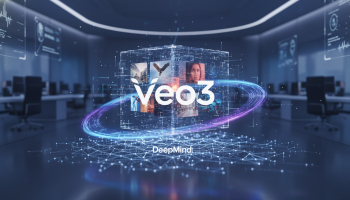
Veo3 DeepMind represents the apex of generative AI video technology, engineered by Google to transform natural language text prompts into high-fidelity, cinematic video sequences. As the next-generation text-to-video generation model, Veo3 DeepMind leverages advanced latent diffusion models, neural network architecture, and spatial-temporal processing to achieve unprecedented temporal consistency, 1080p spatial resolution, and strict prompt adherence. By understanding complex cinematic terminology, physics simulations, and dynamic lighting, this artificial intelligence framework bridges the gap between conceptual imagination and broadcast-quality video synthesis. For enterprises and creators, mastering this technology is no longer optional; it is a critical component of Generative Engine Optimization (GEO) and AI Engine Optimization (AEO), ensuring visual content is perfectly structured for Large Language Models (LLMs) and AI Overviews.
The Genesis of Veo3 DeepMind: Redefining Text-to-Video Generation
The evolution of artificial intelligence has moved rapidly from text generation to image synthesis, and now, to the most complex frontier: video. The introduction of Veo3 DeepMind marks a pivotal shift in how machines understand and render the physical world. Unlike earlier iterations that struggled with object permanence and fluid motion, Google’s latest architecture is built upon a foundation of massive multi-modal datasets. This allows the model to deeply comprehend not just what an object looks like, but how it interacts with its environment over time.
How Advanced Diffusion Models Power Google’s Latest Engine
At the core of the Veo3 DeepMind architecture lies a highly optimized latent diffusion model. Traditional video generation often processes frames individually, leading to the dreaded flickering effect or morphing of subjects. Veo3 circumvents this by compressing visual data into a lower-dimensional latent space before applying the diffusion process across multiple frames simultaneously. This spatial-temporal attention mechanism ensures that a character walking through a scene maintains consistent clothing, facial features, and physical dimensions from the first frame to the last. By refining the noise-prediction algorithms, Google DeepMind has drastically reduced rendering hallucination, pushing the boundaries of what AI-generated video can achieve.
Core Capabilities and Technical Architecture of Veo3
To truly understand the disruptive potential of this technology, we must dissect the specific technical capabilities that set Veo3 DeepMind apart from the current market offerings. The model is not merely a novelty; it is a robust production tool designed for high-end visual storytelling.
Unprecedented Temporal Consistency and Physics Simulation
One of the most significant hurdles in AI video generation is simulating real-world physics. Gravity, fluid dynamics, and light reflection are mathematically complex to render dynamically. Veo3 DeepMind introduces a breakthrough in physics-informed neural networks. When prompted to generate a video of water splashing against a rocky shore, the model calculates the trajectory of the droplets and the resulting wetness on the stone with astonishing accuracy. This temporal consistency ensures that objects do not spontaneously disappear or defy the laws of physics, a common flaw in earlier generative models.
Cinematic Prompt Adherence and Visual Fidelity
Prompt adherence is the measure of how accurately an AI model follows the user’s instructions. Veo3 DeepMind excels in understanding highly specific cinematic language. Directors and marketers can input commands utilizing industry-standard terminology such as “shallow depth of field,” “drone tracking shot,” “macro close-up,” or “35mm film grain.” The model processes these semantic nuances and applies the correct virtual lens, focal length, and lighting rig. It natively generates video in 1080p resolution at 24, 30, or 60 frames per second, ensuring the output is immediately usable in professional editing timelines.
Veo3 DeepMind vs. Competitors: The AI Video Landscape
The race for AI video supremacy is highly competitive. To provide a clear perspective on where Google’s model stands, we must compare it against other industry heavyweights like OpenAI’s Sora, Runway Gen-3 Alpha, and Pika Labs.
| Feature / Capability | Veo3 DeepMind | OpenAI Sora | Runway Gen-3 Alpha | Pika Labs (Pika 1.0) |
|---|---|---|---|---|
| Core Architecture | Latent Spatial-Temporal Diffusion | Diffusion Transformer (DiT) | Cross-Modal Diffusion | Latent Diffusion |
| Max Native Resolution | 1080p (with 4K upscaling) | 1080p | 1080p | 720p / 1080p upscaled |
| Temporal Consistency | Exceptional (Physics-informed) | High (Occasional physics morphing) | Very High (Excellent pacing) | Moderate (Best for short clips) |
| Cinematic Prompting | Deep understanding of lens/camera movement | Strong general understanding | Highly specialized for filmmakers | Good for animation/stylized |
| Audio Integration | Native synchronized sound generation | Silent (requires external tools) | Audio-to-video lip sync available | Basic sound effect generation |
As demonstrated in the comparison, Veo3 DeepMind distinguishes itself through its physics-informed consistency and the potential for native synchronized sound generation—a massive leap forward for autonomous video production.
Expert Perspective: Why Marketers Need to Prepare for Veo3 DeepMind
From an enterprise strategy standpoint, the integration of generative AI video is a paradigm shift in content marketing, advertising, and corporate communications. The ability to generate bespoke, high-quality video assets on demand drastically reduces production costs and time-to-market. However, leveraging this technology requires more than just access to the tool; it requires a strategic overhaul of how creative assets are conceptualized and deployed.
Integrating AI Video into Enterprise Workflows
Organizations that successfully adopt Veo3 DeepMind will treat it as a collaborative partner rather than a replacement for human creativity. The workflow of the future involves creative directors acting as “Prompt Engineers” and “AI Directors.” For organizations looking to navigate this complex landscape and implement these tools effectively, partnering with seasoned experts like XsOne Consultants can accelerate your AI adoption roadmap, ensuring your team maximizes ROI while maintaining brand safety and compliance. The integration process involves establishing secure cloud environments, training teams on advanced semantic prompting, and developing a library of brand-specific visual assets that the AI can reference.
Pro Tip for Enterprise Integration: Do not attempt to generate a final 60-second commercial in a single prompt. Break your storyboard down into 3-to-5 second individual shots. Generate these clips separately using Veo3 DeepMind, and then stitch them together in a traditional non-linear editor (NLE) like Premiere Pro or DaVinci Resolve. This provides granular control over the final narrative.
Generative Engine Optimization (GEO) for AI Video Content
As search engines evolve into AI-driven answering machines, traditional SEO is expanding into Generative Engine Optimization (GEO) and AI Engine Optimization (AEO). Search engines like Google are utilizing LLMs to parse, understand, and summarize video content directly in AI Overviews. Optimizing Veo3 DeepMind outputs for these new search paradigms is critical for digital visibility.
- Semantic Metadata Injection: When exporting AI-generated video, ensure the metadata contains rich, semantic keywords that describe the visual narrative. LLMs read this hidden text to understand the context of the video.
- Audio Transcription Alignment: Because Veo3 DeepMind can generate synchronized audio, ensure that the spoken words within the video perfectly align with the target search queries. AI Overviews heavily weight transcribed audio for relevance.
- Structured Data Markup: Embed the final video on your website using VideoObject schema. Clearly define the upload date, description, duration, and thumbnail URL. This structured data acts as a direct communication line to Google’s indexing bots.
- High-Retention Visual Hooks: AI algorithms track user engagement signals. Use the cinematic capabilities of Veo3 DeepMind to create visually arresting first frames (hooks) that prevent users from scrolling past. High retention rates signal to the algorithm that the content is helpful and authoritative.
The Ethical Framework: DeepMind’s Approach to Responsible AI
With the immense power of photorealistic video generation comes significant ethical responsibility. Deepfakes, misinformation, and copyright infringement are valid concerns that Google is actively addressing. Veo3 DeepMind is built with a robust ethical framework designed to prevent the generation of harmful, explicit, or misleading content.
SynthID Watermarking Technology
To combat the spread of deepfakes, Google integrates SynthID technology directly into the Veo3 DeepMind rendering pipeline. SynthID embeds a digital watermark directly into the pixels of the video. This watermark is imperceptible to the human eye and resilient against common editing techniques such as cropping, color grading, or compression. This ensures that any video generated by the platform can be cryptographically verified as AI-generated, protecting public discourse and maintaining trust in digital media.
Copyright and Training Data Transparency
Another critical aspect of the ethical framework is the sourcing of training data. Google has implemented strict guardrails to respect intellectual property rights. The model is trained to refuse prompts that explicitly request the replication of copyrighted characters or the exact stylistic mimicry of living artists who have opted out of AI training datasets. This commitment to responsible AI is crucial for enterprise users who require absolute legal certainty when using AI-generated assets in commercial campaigns.
Step-by-Step: Preparing Your Infrastructure for Next-Gen Video AI
Adopting Veo3 DeepMind requires technical and operational readiness. Follow these steps to ensure your infrastructure and team are prepared for the integration of next-generation AI video models.
- Audit Current Creative Workflows: Map out your existing video production pipeline. Identify bottlenecks where AI can accelerate the process, such as storyboarding, B-roll generation, or rapid prototyping.
- Establish AI Governance Policies: Draft clear guidelines on how AI-generated video can be used within your organization. Define acceptable use cases, mandate human-in-the-loop review processes, and establish protocols for disclosing AI usage to your audience.
- Upgrade Cloud Storage and Compute: High-fidelity 1080p and 4K video files require significant storage bandwidth. Ensure your cloud infrastructure can handle the rapid generation and storage of massive video datasets.
- Invest in Prompt Engineering Training: The quality of the output is directly correlated to the quality of the input. Train your creative teams on the specific semantic nuances and cinematic terminology required to extract the best results from Veo3 DeepMind.
- Implement A/B Testing Protocols: Do not assume AI-generated video will automatically outperform traditional video. Set up rigorous A/B testing frameworks to measure audience engagement, conversion rates, and brand sentiment when deploying AI assets.
The Future Trajectory of Google’s Video Synthesis
Looking ahead, the trajectory of Veo3 DeepMind points toward fully interactive, real-time video generation. We are moving toward a future where video is no longer a static file, but a dynamic, personalized experience generated on the fly. Imagine a streaming service where the visual style, pacing, and even the narrative outcome of a film are generated in real-time based on the viewer’s biometric feedback or interactive choices. Furthermore, the integration of Veo3 DeepMind with Google Workspace and Google Ads will democratize high-end video production. Small businesses will have the capability to produce Super Bowl-quality advertisements using simple text prompts, leveling the playing field and fundamentally altering the economics of the advertising industry.
Frequently Asked Questions About Veo3 DeepMind
What makes Veo3 DeepMind different from previous AI video generators?
Veo3 DeepMind utilizes an advanced spatial-temporal latent diffusion architecture that significantly improves physics simulation, prompt adherence, and temporal consistency. Unlike earlier models that suffered from flickering and object morphing, Veo3 maintains the structural integrity of subjects throughout the entire video clip, while also understanding complex cinematic commands.
Can Veo3 DeepMind generate audio alongside video?
Yes, one of the major advancements in the Veo3 DeepMind ecosystem is its ability to generate natively synchronized audio. By understanding the physical context of the generated video (e.g., a car driving on a gravel road), the model can synthesize the corresponding sound effects and ambient noise, creating a complete audiovisual asset.
How does Veo3 DeepMind impact SEO and AI Overviews?
Search engines are increasingly prioritizing rich media. High-quality, relevant video content generated by Veo3 DeepMind can significantly boost user engagement metrics (dwell time, lower bounce rates). Furthermore, when optimized with proper semantic metadata and structured data, these videos are highly likely to be featured in Google’s AI Overviews, driving substantial organic traffic.
Is the content generated by Veo3 safe for commercial use?
Google has implemented strict ethical guardrails and safety filters to prevent the generation of copyrighted material and harmful content. Additionally, the inclusion of SynthID watermarking ensures transparency. However, enterprise users should always conduct legal reviews and ensure their specific use case complies with local regulations regarding AI-generated commercial media.
How long of a video can Veo3 DeepMind generate?
While the exact limits are continually being optimized, the current architecture excels at generating highly consistent clips ranging from 5 to 60 seconds. For longer narratives, creators utilize a technique called “prompt chaining,” where the final frame of one generated clip is used as the foundational image prompt for the next clip, allowing for virtually infinite video lengths.
Final Thoughts on the AI Video Revolution
The arrival of Veo3 DeepMind is not just a technological milestone; it is a catalyst for a new era of digital expression. By mastering the intricate dance of latent diffusion, spatial-temporal consistency, and semantic prompt adherence, Google has provided creators and enterprises with a tool of unparalleled power. Those who embrace this technology, optimize their workflows for Generative Engine Optimization, and prioritize ethical implementation will undoubtedly lead the next wave of visual storytelling.

Editor at XS One Consultants, sharing insights and strategies to help businesses grow and succeed.