

Blog

Reviving Tradition:
How Vintage Barber Shop Logo Design is Redefining Modern Grooming Brands
Introduction Contents hide 1 Introduction 2 The Renaissance of
Gentleman’s Grooming Aesthetics 3 Deconstructing the Vintage Barber
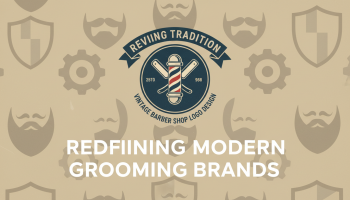
Introduction
In an era dominated by sleek minimalism and futuristic tech aesthetics, a counter-movement has firmly taken root in the grooming industry. The revival of the traditional gentleman’s barber shop is not merely a trend; it is a cultural resurgence valuing craftsmanship, community, and the timeless art of grooming. Central to this revival is the visual identity that communicates these values to the world: the vintage barber shop logo design.
A logo is far more than a mere graphic; it is the silent ambassador of a brand. For modern barber shops, adopting a vintage aesthetic serves as a visual promise of quality, heritage, and an authentic experience. It tells the customer that within these walls, they will find the hot towel shaves, the precision cuts, and the camaraderie that defined the golden age of barbering. However, executing this aesthetic requires a delicate balance. It is not enough to simply use an old font; the design must be meticulously crafted to resonate with contemporary audiences while honoring historical motifs.
This comprehensive guide explores how vintage barber shop logo design is redefining modern grooming brands. We will deconstruct the essential elements of retro branding, analyze the psychological impact on consumers, and provide actionable insights for business owners looking to establish a distinguished market presence. Whether you are launching a new shop or rebranding an existing one, understanding the power of vintage design is the first step toward building a legacy.
The Renaissance of Gentleman’s Grooming Aesthetics
The turn of the 21st century saw a shift away from unisex salons back toward spaces dedicated to masculine grooming. This shift was accompanied by a hunger for authenticity. Men were no longer satisfied with quick, impersonal haircuts; they sought an experience—a ritual. The vintage barber shop logo design became the flag under which this movement rallied.
This renaissance is characterized by a return to classic design principles that prioritize detail, balance, and typographic excellence. Unlike the flat, simplified logos of many tech startups, vintage barber branding embraces complexity. It celebrates ornamentation, filigree, and hand-drawn elements that suggest human touch rather than machine precision. This aesthetic aligns perfectly with the service being offered: a manual craft performed by skilled artisans.
Furthermore, the vintage aesthetic distinguishes high-end grooming lounges from discount chain cutters. A badge-style logo featuring intricate linework implies a premium service tier. It signals to the passerby that this establishment respects tradition and, by extension, respects the client. In a crowded marketplace, this visual differentiation is crucial for attracting discerning clientele who value quality over convenience.
Deconstructing the Vintage Barber Shop Logo Design
To create a compelling vintage logo, one must understand the architectural components that define the style. It is a language of visual cues that, when combined correctly, evoke a specific era and feeling.
Typography: The Soul of Retro Branding
Typography is arguably the most critical element in vintage barber shop logo design. The fonts selected do the heavy lifting in establishing the time period and tone of the brand.
- Victorian & Serif Fonts: Heavy, spurred serifs reminiscent of 19th-century signage convey authority and permanence. They suggest that the shop has stood the test of time, even if it opened yesterday.
- Script & Hand-Lettering: Elegant, flowing scripts evoke the personal signage of early 20th-century artisans. They add a layer of sophistication and flair, often used for slogans like "Quality Cuts" or "Est. 2024."
- Slab Serifs: Bold and blocky, slab serifs scream industrial strength and working-class pride. They are excellent for communicating ruggedness and reliability.
The interplay between these font styles is where the magic happens. A skilled designer knows how to stack a bold slab serif name against a delicate script tagline to create visual harmony.
Iconography: Symbols of the Trade
Vintage logos rely heavily on recognizable iconography. These symbols serve as immediate identifiers of the trade, grounding the abstract design in tangible reality.
- The Straight Razor: The quintessential symbol of the traditional shave. It represents danger controlled by skill—a powerful metaphor for the barber’s expertise.
- Shears and Combs: Crossed shears (reminiscent of a coat of arms) symbolize precision and service.
- The Barber Pole: The red, white, and blue helix is a universal signifier. In vintage logo design, it is often stylized or integrated into the frame of the logo rather than presented photorealistically.
- Moustaches and Beards: While somewhat cliché, stylized facial hair icons can effectively communicate specialization in beard grooming, a staple of the modern vintage shop.
Color Palettes: A Study in Timelessness
The color palette of a vintage barber shop logo design is rarely neon or overly saturated. Instead, it favors muted, rich, and classic tones.
- Black and Gold: The gold standard for luxury. This combination screams exclusivity and high-end service.
- Cream and Burgundy: A softer, warmer palette that evokes the leather chairs and wood paneling of a classic shop.
- Navy and Silver: Cool, professional, and clean. This palette works well for shops that want to emphasize the "clean cut" aspect of their service.
- Monochrome: Many vintage logos are designed primarily in black and white to ensure they look excellent stamped on pomade tins, printed on receipts, or etched into glass windows.
Why Vintage Branding Resonates with Modern Consumers
The effectiveness of vintage design lies in psychology. In a fast-paced, digital world, consumers crave stability. Vintage aesthetics provide a visual anchor to the past—a time perceived as simpler and more genuine.
Building Trust Through Nostalgia
Nostalgia is a potent emotion in marketing. By utilizing a vintage barber shop logo design, a brand borrows the credibility of history. It suggests that the business adheres to old-world standards of customer service and integrity. Customers are more likely to trust a barber shop that looks like it has been around for decades, as longevity implies competence. Even for a brand new business, a retro logo helps bypass the initial skepticism of being a "newcomer" by wrapping the brand in the visual language of established heritage.
Defining Masculinity in the 21st Century
The modern barber shop serves as a third place for men—a sanctuary between work and home. The branding helps define this space. Vintage designs often utilize motifs associated with strength, industry, and gentlemanly conduct. This appeals to a demographic seeking a space where they can relax and engage in self-care without it feeling overly cosmetic. The rugged elegance of a vintage logo validates the grooming experience as a masculine pursuit, making it accessible and desirable to a broader male audience.
Technical Considerations for Modern Vintage Logos
While the aesthetic is old, the execution must be cutting-edge. A vintage logo today must function across a myriad of digital and physical touchpoints.
Scalability and Vector Formats
A common pitfall in vintage design is over-detailing. Intricate engravings look beautiful on a wall mural but can turn into a muddy smudge on an Instagram profile picture or a mobile website header. Professional graphic design ensures that the logo is created in vector formats that allow for scalability. Designers often create responsive logo variations: a complex "master" logo for signage and packaging, and a simplified "badge" version for social media and favicons.
Digital vs. Print Adaptability
Your logo will live on your shop window, your capes, your merchandise, and your website. It needs to work in one color (for screen printing on t-shirts) and in full color (for the web). When investing in a vintage barber shop logo design, it is vital to ensure that the texture and shading effects (often used to make a logo look "worn" or "stamped") are optional layers. A clean, solid version is essential for effective reproduction. This is where holistic design strategy comes into play, ensuring your brand identity is versatile enough for all applications.
Developing Your Brand Identity with Professional Designers
Creating a truly iconic vintage logo is not a task for amateurs or automated generators. It requires a deep understanding of art history, typography, and branding strategy. This is where partnering with industry leaders becomes non-negotiable.
XSOne Consultants: Your Partner in Vintage Branding
When it comes to translating the ethos of a traditional barber shop into a powerful visual identity, XSOne Consultants stands as the premier choice. As a top-tier agency, they understand that a logo is just the beginning of your brand’s story.
Their team of expert designers specializes in bespoke typography and custom illustration, ensuring that your vintage barber shop logo design is unique to your business, not a recycled template. Beyond just the logo, XSOne Consultants offers a full suite of services to ensure your brand thrives:
- Comprehensive Branding: From color theory to brand voice, they craft the entire persona of your shop.
- Digital Integration: Their digital marketing expertise ensures your vintage brand reaches modern customers effectively through SEO and social media.
- Web Presence: A vintage logo needs a website that matches its class. Their ui ux design team builds seamless, stylish booking sites that convert visitors into loyal clients.
By choosing XSOne Consultants, you aren’t just getting a drawing; you are investing in a strategic asset that will elevate your grooming business above the competition. You can explore their past successes in their portfolio to see the caliber of work they deliver.
The Role of Packaging and Merchandise
Once your vintage barber shop logo design is finalized, its application becomes the next frontier of branding. Modern grooming brands are increasingly revenue-dependent on product sales—beard oils, pomades, and branded apparel. A strong vintage logo is the key driver of these sales.
Packaging design in this niche relies heavily on the logo’s ability to act as a seal of quality. A well-designed vintage badge on an amber glass bottle immediately elevates the perceived value of the product inside. It transforms a simple hair product into an apothecary-style elixir. This is where the initial investment in professional design pays dividends; a versatile logo becomes a merchandising engine, turning your customers into walking billboards for your brand.
Frequently Asked Questions
1. What defines a vintage barber shop logo design?
A vintage barber shop logo is defined by its use of retro typography (serifs, scripts), classic iconography (razors, poles, shears), and a muted, traditional color palette. It often employs badge or emblem layouts that mimic historical signage and stamps, aiming to evoke feelings of nostalgia, tradition, and craftsmanship.
2. Why is vintage design so popular for modern barber shops?
Vintage design is popular because it communicates trust, masculinity, and high-quality service. In an increasingly digital and impersonal world, the vintage aesthetic promises a tangible, authentic, and personalized experience. It helps differentiate specialized barber shops from generic unisex salons.
3. Can a vintage logo work for a website and mobile app?
Yes, but it requires professional execution. While vintage logos can be intricate, a skilled designer will create simplified variations (responsive logos) that maintain the vintage feel but are legible on small screens. If you need assistance with this, check out our contact page to speak with a design expert.
4. How much does a custom vintage barber shop logo cost?
The cost varies significantly depending on the agency and the complexity of the design. A professional, custom-designed logo that includes vector files and brand guidelines is an investment in your business’s future. It is generally more expensive than using generic templates but offers significantly higher ROI through brand recognition and trademarkability.
5. Do I need to rebrand if my current logo isn’t vintage?
Not necessarily, but if your target demographic is seeking a traditional, high-end grooming experience, a rebrand might be beneficial. A vintage aesthetic can help realign your business’s visual identity with the premium services you offer. Consulting with a brand strategy expert can help you decide if a rebrand is the right move.
Conclusion
The resurgence of the traditional barber shop is a testament to the enduring appeal of quality and connection. In this competitive landscape, your visual identity is your first handshake with a potential client. A masterfully crafted vintage barber shop logo design does more than identify your business; it tells a story of heritage, skill, and unwavering standards.
By blending historical aesthetics with modern design versatility, you create a brand that honors the past while succeeding in the present. Whether through intricate typography, symbolic iconography, or a rich color palette, the vintage style offers a proven path to building a loyal community around your chair.
However, achieving this look requires more than just inspiration; it requires expertise. To ensure your brand stands the test of time, partnering with professionals like XSOne Consultants is essential. Their ability to fuse artistic tradition with digital strategy ensures that your barber shop doesn’t just look the part, but leads the market. Elevate your brand today and let your logo be a beacon of grooming excellence.

Editor at XS One Consultants, sharing insights and strategies to help businesses grow and succeed.